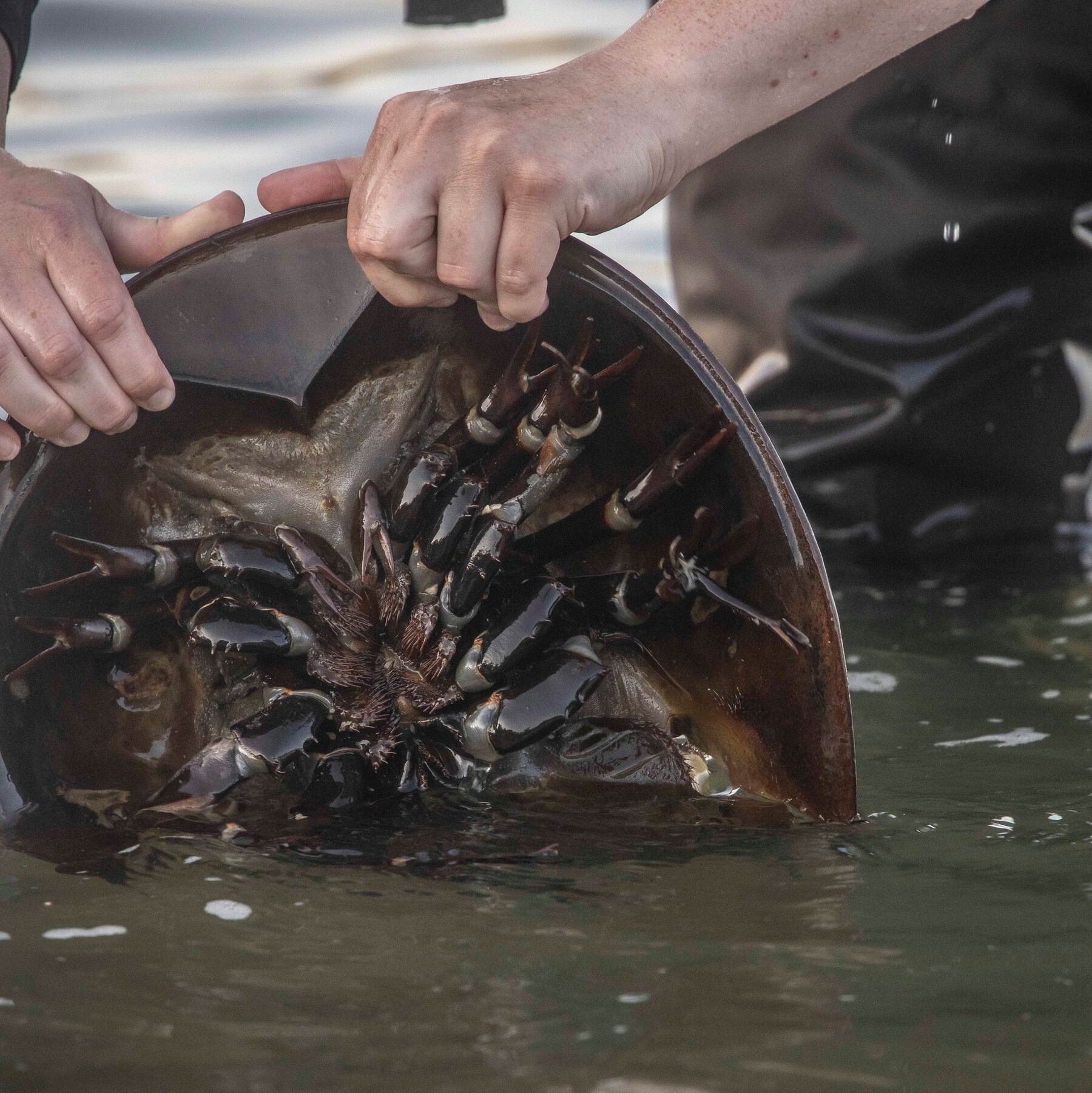
New York State has taken significant steps to safeguard its marine ecosystem by enacting legislation that bans the catch and biomedical use of horseshoe crabs. On March 15, 2024, Governor Kathy Hochul signed the bill, marking a pivotal moment in environmental protection efforts within the state. This new law not only reflects a commitment to preserving the species but also seeks to ensure the health of the broader marine environment.
The legislation will be phased in over the coming months, with full implementation set for July 1, 2024. During this period, fishing for horseshoe crabs, which have been utilized in the biomedical industry for their unique blood, will be prohibited. The decision stems from concerns about the declining population of horseshoe crabs, which play a crucial role in coastal ecosystems.
Horseshoe crabs’ blood is essential for the production of Limulus Amebocyte Lysate (LAL), a substance used to test for bacterial contamination in medical devices and vaccines. While this use has been vital for public health, the extraction process often harms the crabs, leading to significant population declines. The new law aims to balance medical needs with ecological sustainability by gradually eliminating reliance on horseshoe crabs in the biomedical field.
Governor Hochul emphasized the importance of protecting this ancient species, stating, “This legislation represents our commitment to safeguarding New York’s natural resources and ensuring that we maintain a healthy ecosystem for future generations.” The bill has garnered support from various environmental organizations, highlighting the necessity of preserving biodiversity.
In addition to banning the catch and use of horseshoe crabs, the legislation mandates ongoing monitoring of their population. This will involve collaboration with marine biologists and conservation groups to ensure that the health of horseshoe crab populations is sustained or improved over time.
Environmental advocates are optimistic about the potential positive impacts of this legislation. They argue that protecting horseshoe crabs can lead to healthier coastal ecosystems, which are essential for the survival of numerous marine species. The decline of horseshoe crabs has been linked to disruptions in the food chain, affecting various birds and fish that rely on them as a food source.
The new law is part of a broader trend in environmental policy across the United States and globally, where lawmakers are increasingly recognizing the need for sustainable practices to protect biodiversity. New York’s proactive approach may inspire other regions to implement similar measures to safeguard vulnerable species.
As New York State moves forward with this ban, the government and conservationists will be watching closely to assess the effectiveness of these measures. The hope is that by protecting horseshoe crabs, the state can contribute to the recovery of this vital species and the health of its marine ecosystems.
In summary, New York’s ban on the catch and biomedical use of horseshoe crabs represents a significant step toward environmental protection and sustainability. With full enforcement slated for July 1, 2024, this legislation may serve as a model for other jurisdictions seeking to balance public health needs with ecological preservation.