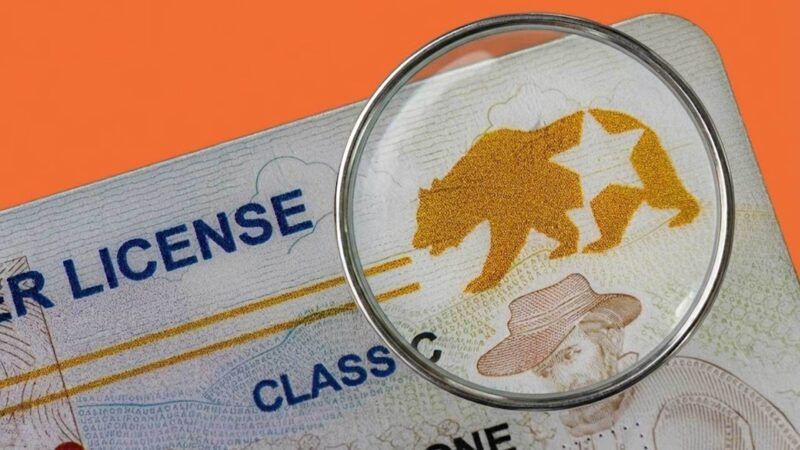
URGENT UPDATE: The Department of Homeland Security (DHS) has just announced that the REAL ID, which requires proof of citizenship for issuance, is now deemed unreliable for confirming U.S. citizenship. This startling revelation comes amid a federal civil rights lawsuit filed by the Institute for Justice on behalf of Alabama construction worker Leo Garcia Venegas, who was wrongfully detained twice by immigration officers.
In a court filing dated December 11, Philip Lavoie, acting assistant special agent in charge of DHS’ Mobile, Alabama office, stated, “REAL ID can be unreliable to confirm U.S. citizenship.” This declaration raises significant concerns about the efficacy of a system that has been in the making for over 20 years.
WHAT HAPPENED: Venegas, a U.S. citizen, was detained during immigration raids in May and June at private construction sites. Despite presenting his Alabama-issued REAL ID, officers claimed it could be fake, detaining him for up to 30 minutes before ultimately releasing him. The officers reportedly entered these sites without warrants, targeting individuals based on ethnicity, raising serious civil rights questions.
DHS’s recent stance on REAL ID contradicts the very purpose for which it was established. Introduced in 2005 as a response to post-9/11 security concerns, REAL ID was intended to create uniform standards for state identification. The program faced widespread criticism and low compliance from states, leading to multiple delays in enforcement until it finally began in May 2023.
IMPACT ON CITIZENS: The implications of this announcement are profound. If the DHS considers REAL ID unreliable, what does this mean for the millions of Americans who are required to present it at federal checkpoints, including airports? The Institute for Justice argues this position likely violates the Fourth Amendment, questioning the legality of detaining citizens based solely on appearance or perceived ethnicity.
A spokesperson for DHS defended the REAL ID, stating, “Real IDs are not immigration documents—they make identification harder to forge, thwarting criminals and terrorists.” However, this statement fails to address the core issue: that Venegas, a U.S. citizen, should not face such scrutiny.
WHAT’S NEXT: As the lawsuit progresses, the implications for federal identification policies and civil rights protections remain uncertain. The DHS has previously asserted that immigration enforcement should not target individuals based on race or ethnicity, yet the details of Venegas’ case prompt further scrutiny of enforcement practices.
This situation raises urgent questions about the reliability of identification systems that are meant to secure our borders and protect citizens. As the legal battle unfolds, the public will be watching closely to see if the government can reconcile its policies with the rights of U.S. citizens.
Stay tuned for more updates on this developing story as it unfolds.