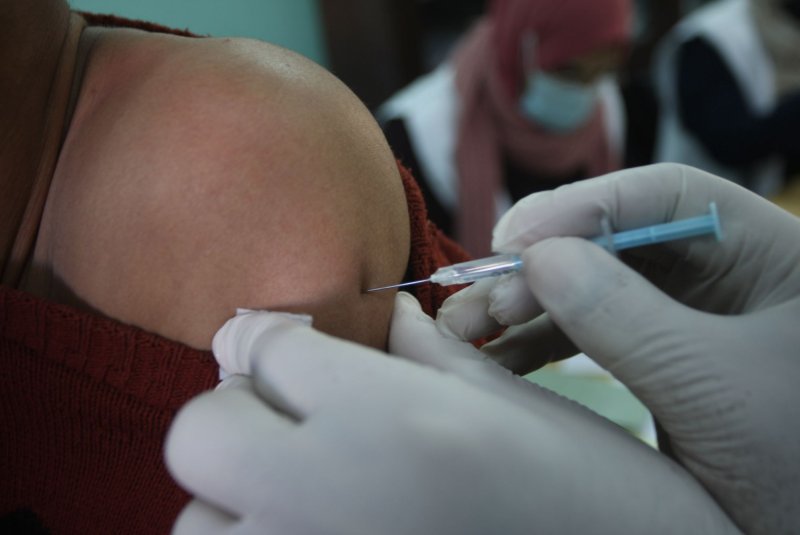
The Centers for Disease Control and Prevention (CDC) is set to reevaluate the use of aluminum salts in vaccines, a significant move that has drawn attention amid ongoing debates about vaccine safety. The announcement comes from the Advisory Committee on Immunization Practices (ACIP), which has been criticized for its composition and the potential influence of vaccine skeptics.
Aluminum salts have been utilized in vaccines for nearly a century as adjuvants, substances that enhance the body’s immune response. These additives are crucial for the efficacy of many vaccines, including those for hepatitis B, diphtheria, tetanus, and human papillomavirus. Approximately half of the childhood vaccines in the United States contain aluminum salts, which some public figures, including Robert Kennedy Jr., have labeled as dangerous.
Kennedy, who served as the health and human services secretary under President Donald Trump, has long suggested a link between aluminum in vaccines and the rise in conditions such as autism and childhood allergies. During a meeting of the National Governors Association in Colorado Springs on July 26, 2023, he stated, “We need to look at the aluminum in the vaccines to see if that has anything to do with this explosion of allergies that began in 1989.”
Earlier this month, the ACIP voted 8 to 3 to discontinue the long-standing recommendation for newborns to receive the hepatitis B vaccine, a decision that has alarmed public health advocates. This practice has been linked to a dramatic reduction in childhood infections, which dropped by 99% since 1991, resulting in only seven reported cases in 2023.
The recent changes in the ACIP’s leadership, following Kennedy’s appointment of new members, have raised concerns regarding the group’s scientific integrity. The panel’s upcoming review of aluminum salts was spurred by a presentation from Evelyn Griffin, an obstetrician-gynecologist from New Orleans, who has since been appointed as Louisiana’s surgeon general. Griffin suggested that aluminum could accumulate in organs, potentially leading to chronic fatigue and other health issues, a claim contested by numerous experts.
Dr. Peter Hotez, co-director of the Texas Children’s Hospital Center for Vaccine Development, criticized the panel for being influenced by individuals lacking expertise in immunology. He expressed concern that the ACIP has “ceased to be a reliable source for anything vaccine-related.” Hotez pointed out that the American Academy of Pediatrics has taken steps to provide independent, evidence-based recommendations in response to the ACIP’s shift.
To emphasize the need for reliable data, Hotez referenced a study published in the Annals of Internal Medicine in July, which analyzed health records of 1.2 million children born in Denmark between 1997 and 2018. The research found no correlation between aluminum adjuvants and various health issues, including asthma, allergies, autoimmune disorders, and neurodevelopmental conditions like autism.
Kennedy dismissed the findings of this study, labeling it as “deceitful propaganda” from the pharmaceutical industry. Conversely, a review led by researchers primarily from Stanford University examined existing evidence on aluminum’s toxicity. This review concluded that while some smaller studies raised concerns, larger, more comprehensive trials consistently showed no significant connections between aluminum salts and adverse health conditions.
Dr. Seth Ari Sim-Son Hoffman, a co-author of the Stanford review, stated that their analysis encompassed nearly a century of safety data. He emphasized, “The consistency of safety findings across different populations, countries, and study designs supports our conclusion. We found no credible evidence linking aluminum salt-adjuvanted vaccines to any safety signal.”
Concerns about aluminum accumulation in newborns were also addressed in the review. Research involving preterm infants indicated no detectable change in blood aluminum levels post-vaccination. Additionally, patients with kidney disease, who are typically more susceptible to aluminum toxicity, routinely receive these vaccines without adverse effects.
Aluminum salts are present in over half of the vaccines on the U.S. pediatric schedule, and their removal would necessitate reformulation and extensive testing of vaccines. Such a process could take a decade, during which time populations could remain vulnerable to vaccine-preventable diseases that pose significant health risks.
As the ACIP prepares to review these essential vaccine components, the ongoing discussions highlight the tension between public health policy and vaccine skepticism, with the potential for significant implications for vaccination practices and child health outcomes in the future.