Myanmar has entered a crucial phase in its political landscape as citizens participate in the first election since the military coup in February 2021. This election, which is seen as highly controversial, has raised concerns about its legitimacy and fairness. Polling began in several regions, including the largest city, Yangon, where voters expressed their hopes and fears regarding the future of their country.
The National League for Democracy (NLD), the party that was ousted from power during the coup, is not participating in the election. Instead, the military junta has formed a new party, presenting candidates to contest the elections. Observers have noted that the election process lacks credibility, as many political leaders remain imprisoned or have gone into hiding since the coup.
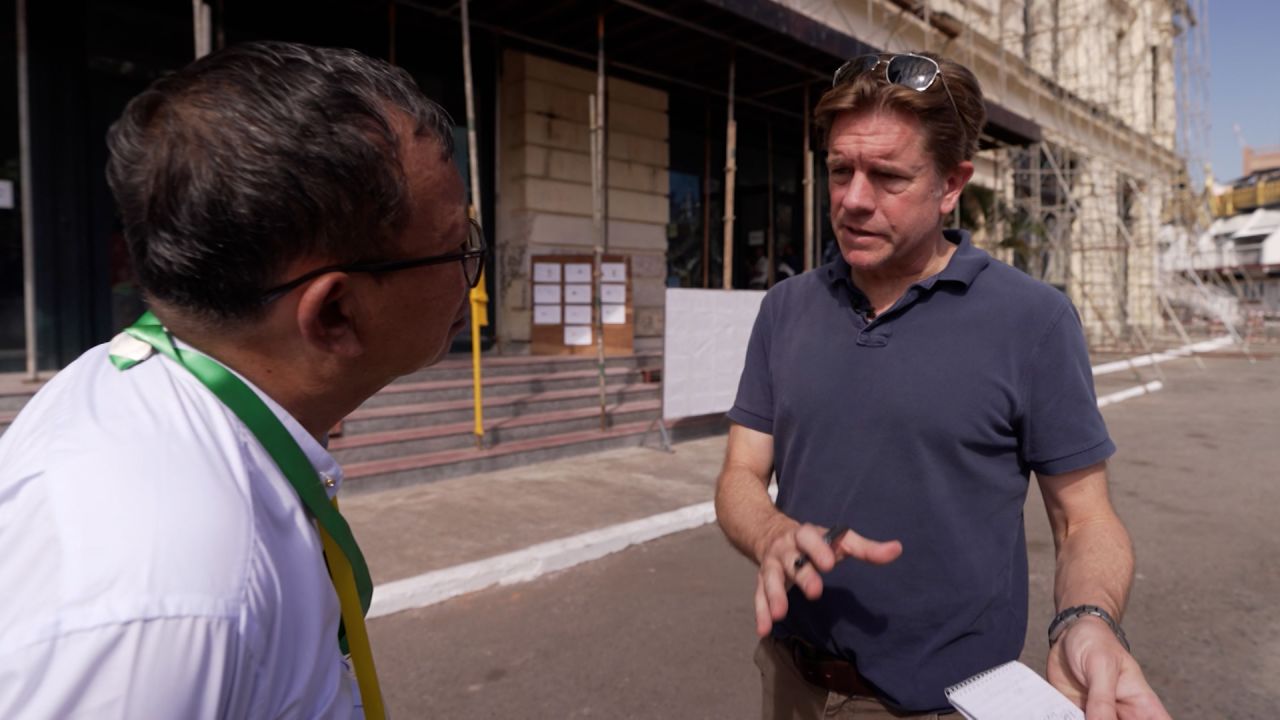
In Yangon, CNN journalist Ivan Watson spoke with voters who expressed mixed feelings about the election. Some emphasized the importance of participating in the electoral process, while others voiced skepticism about whether their votes would truly matter. “I want to believe that my vote counts, but I worry about the outcome,” one voter stated outside a polling station.
Voters faced a challenging environment, with military presence at polling locations and reports of intimidation. Many citizens are concerned about their safety and the potential repercussions of expressing dissent. The military junta has promised to uphold a peaceful voting process, yet many remain unconvinced.
Election Context and International Reaction
The election’s backdrop is marked by ongoing violence and unrest in the country. Since the coup, Myanmar has seen widespread protests and armed resistance against the military government. Human rights organizations have reported numerous violations, including arbitrary detentions and attacks on civilians.
Internationally, the response to the election has been critical. Several countries have condemned the legitimacy of the electoral process, citing the lack of democratic norms and the continued suppression of dissent. In a statement, the United Nations reiterated its stance against the military-led government, urging for a return to democratic rule and the release of political prisoners.
Despite these challenges, some candidates have emerged, seeking to represent their communities in the new political landscape. The junta has promised to allow for a competitive electoral environment, but skepticism remains high. Observers from both local and international organizations are monitoring the election closely, hoping to provide insights into its fairness.
Looking Ahead: Implications for Myanmar’s Future
As the election progresses, the implications for Myanmar’s future remain uncertain. The outcome could determine whether the military junta solidifies its power or whether there will be a resurgence of democratic aspirations among the populace.
Many voters in Yangon and beyond are holding onto hope for change, despite the obstacles. “This is our chance to express ourselves, even if we are afraid,” a young voter expressed, highlighting the courage of many to participate under duress.
With the first phase of polling now underway, Myanmar stands at a crossroads. The world watches closely as the results begin to unfold, aware that the implications extend far beyond the borders of this Southeast Asian nation. The struggle for democracy and human rights continues, as the people of Myanmar navigate an uncertain political terrain in the wake of profound upheaval.