West Virginia is experiencing a significant transformation as data centers and bitcoin mining operations proliferate across the state, echoing the historical impacts of coal mining. These developments, often touted as modern solutions for economic growth, may have far-reaching consequences for local communities, particularly in terms of resource management and environmental sustainability.
Data Centers Redefining Rural Landscapes
The rise of data centers is reshaping rural America in a manner reminiscent of the coal industry’s past. These facilities often settle in areas with minimal regulatory oversight, altering local landscapes and resources to suit their operational needs. According to the National Conference of State Legislatures, 37 states have adjusted tax codes and regulations to attract data centers, resulting in billions in tax exemptions each year.
In West Virginia, the situation presents a striking parallel to the coal boom. The state is now witnessing a surge in industrial data centers, with companies like Blockchain Power Corp. establishing operations in abandoned coal mining sites. This initiative has introduced five bitcoin mining facilities in locations such as Hazelton and Blacksville, drawing 107 megawatts of power to support their operations. The significant energy demand for these sites raises questions about the sustainability of local resources, particularly water usage, as one hydrocooling site reportedly relies on 200,000 gallons of water to maintain optimal temperatures for its equipment.
While coal mining once provided hundreds of jobs to the region, the current data center model offers starkly fewer employment opportunities, with only 44 positions created in some operations. The economic trade-off appears disproportionate, with communities sacrificing essential resources and infrastructure for a limited workforce.
Regulatory Changes and Local Concerns
The political landscape surrounding data centers has evolved to favor industrial interests. The recently enacted Power Generation and Consumption Act, signed into law by Republican Governor Patrick Morrisey in April 2023, facilitates this trend by creating a streamlined process for energy projects. The law allows for off-grid gas plants and custom tax structures, significantly diminishing local governments’ control over zoning, noise regulations, and land use.
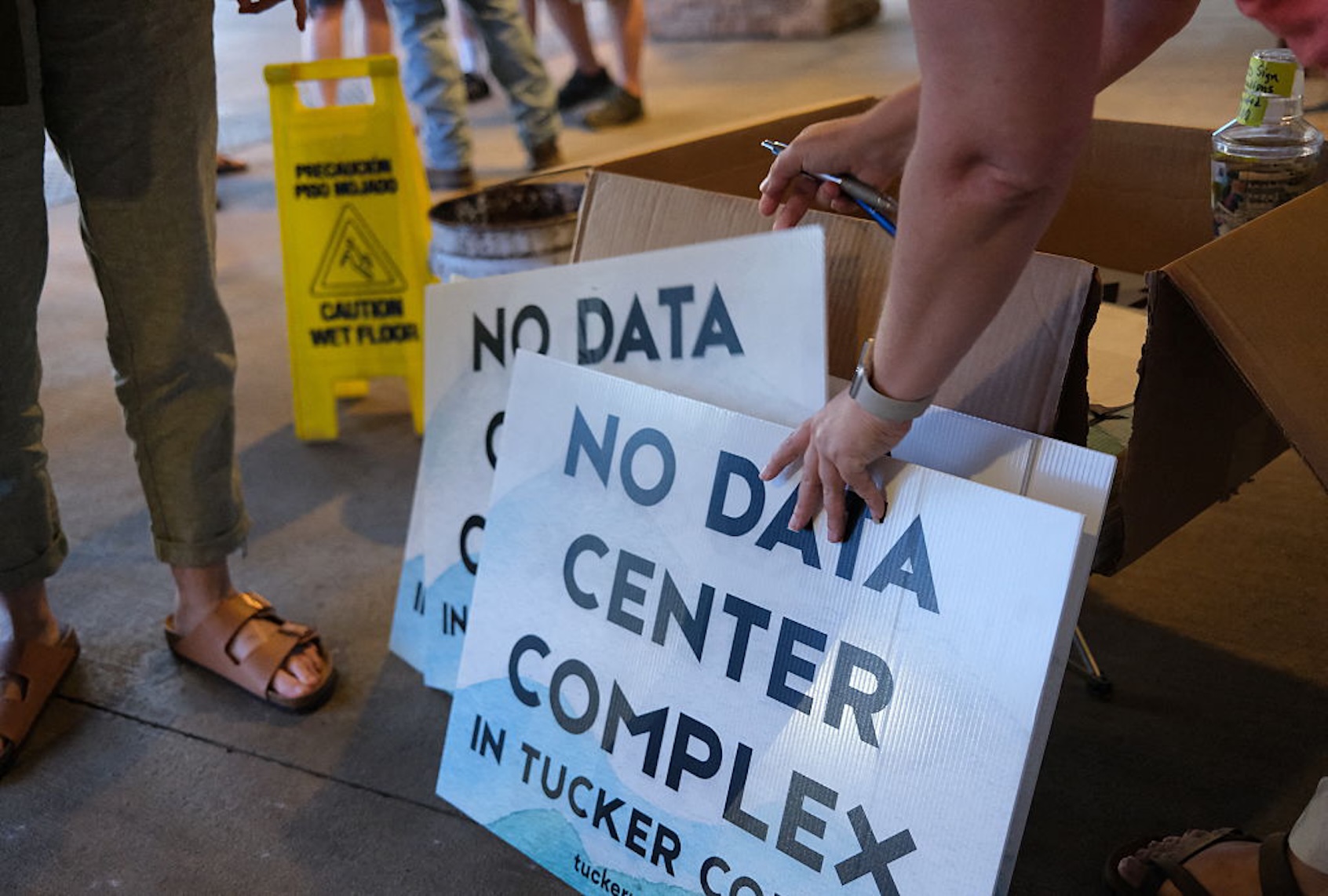
Residents in areas like Tucker County are voicing concerns regarding new projects, such as an off-grid gas plant proposed to power a private data complex. Questions about water sourcing, noise levels, and long-term job prospects remain largely unanswered, with local officials receiving vague responses or redacted permits. This lack of transparency has fueled skepticism among residents who have seen the consequences of previous industrial booms.
Data centers can consume millions of gallons of water daily, equivalent to the needs of a town with a population between 10,000 and 50,000. As local communities grapple with dwindling water supplies and rising utility costs, the implications of these developments become increasingly apparent.
The cycle of industrial exploitation is not new to West Virginians. Historically, promises of jobs and prosperity have often been followed by tax exemptions, erosion of local control, and environmental degradation. The legacy of coal mining serves as a cautionary tale as communities are asked to trust that data centers will bring lasting benefits.
As the new wave of data centers takes shape, residents remain wary. The potential economic benefits must be weighed against the risks of resource depletion and environmental harm. The promise of technological progress, while enticing, must not overshadow the lessons learned from past industrial endeavors.