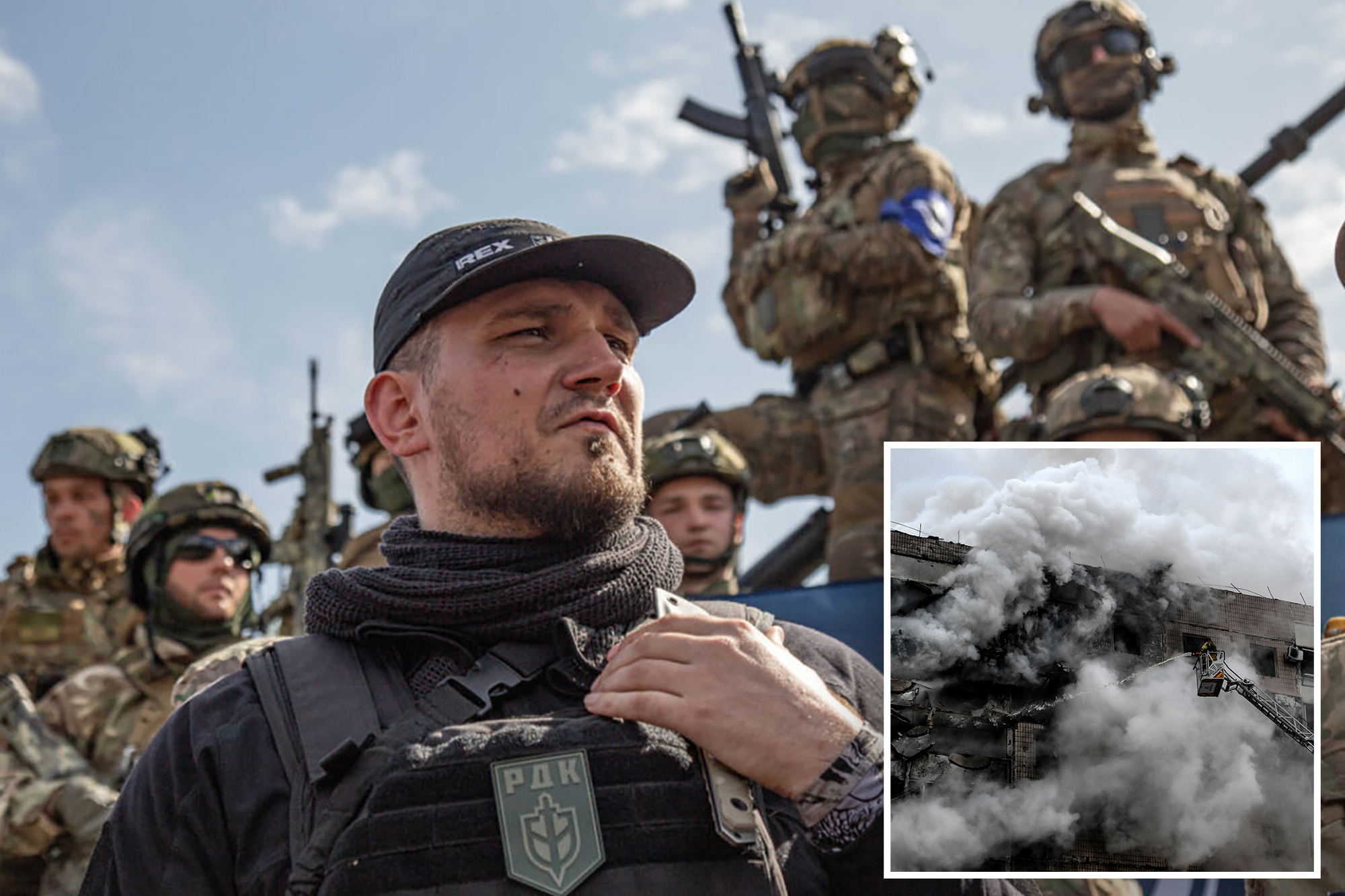
A prominent figure in the anti-Putin movement, Denis Kapustin, was killed in a drone strike during combat operations in the Zaporizhzhia region of Ukraine. The Russian Volunteer Corps (RVC), the paramilitary group he led, announced his death on Saturday, stating he died heroically while on a combat mission.
The RVC expressed its commitment to avenge Kapustin’s death, emphasizing the legacy he leaves behind. “We will definitely take revenge, Denis. Your legacy lives on,” the group stated in a message shared on Telegram. In their tribute, they described him as “fearless and honest,” highlighting his dedication to his cause.
Kapustin, also known by the alias Denis Nikitin and “White Rex,” was 41 years old at the time of his death. He had been living in Ukraine since 2017 after moving from Moscow to Germany as a teenager. His controversial past includes a ban from many European countries due to his connections with football hooliganism and his alleged neo-Nazi views, which he has disputed.
Rise to Prominence in the Conflict
When Vladimir Putin initiated a full-scale invasion of Ukraine in February 2022, Kapustin played a significant role in establishing what would evolve into Ukraine’s elite Third Assault Brigade. Shortly thereafter, he founded the Russian Volunteer Corps, pledging to combat Putin’s regime and “deprive Russia of a future,” as detailed on the group’s official website.
Since the onset of the war, the RVC has gained attention for its cross-border operations targeting Russian border villages, often resulting in the capture of Russian soldiers. In response, Putin labeled the group as “saboteurs” and “terrorists.” Following a notable incursion in March 2023, Kapustin was added to the Kremlin’s list of “terrorist and extremists,” which included being placed on the Russian Interior Ministry’s wanted list that same month, according to the Moscow Times.
Legacy and Future Actions
Kapustin’s death marks a significant loss for the anti-Putin faction, which continues to operate from within Ukraine as part of the ongoing conflict. The RVC’s vow to avenge him suggests that the group will likely escalate its operations against Russian forces in the near future.
As the war continues, the legacy of figures like Kapustin highlights the complex dynamics at play within the conflict, drawing attention to the motivations and actions of those who oppose the Kremlin. The impact of his leadership will resonate within both the RVC and the broader anti-Putin movement as they navigate the challenges ahead.