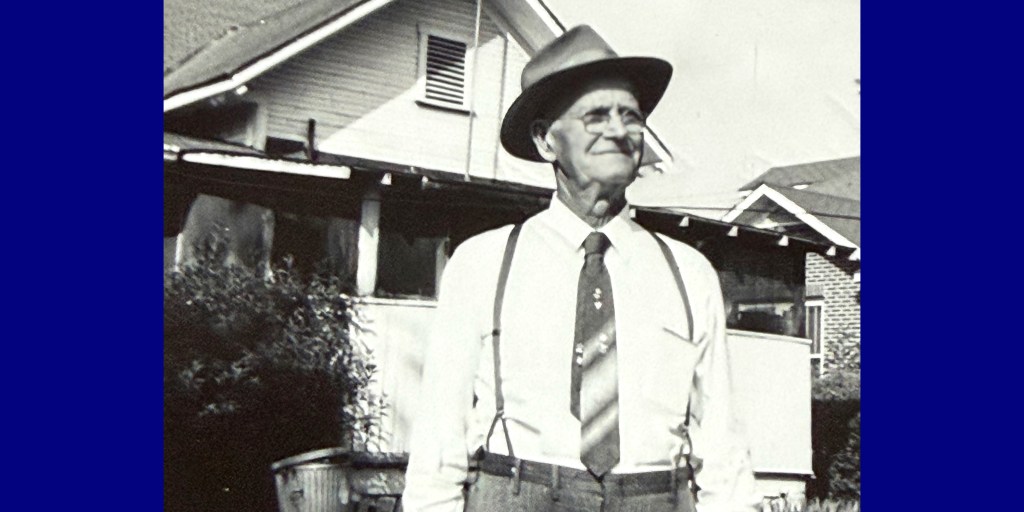
Decades of advocacy culminated in the construction of Carters Dam, a project that began taking shape in the late 1940s. At the forefront of this initiative was S.O. Penland Senior, a resident of Ellijay who, through persistent correspondence, laid the groundwork for what would become a pivotal development in the region.
Penland, who served in the Georgia House of Representatives during the 1920s, wrote letters to numerous legislators, including notable figures such as U.S. Senator Richard B. Russell and Senator and Governor Herman Talmadge. His advocacy began at least as early as 1947, highlighting local concerns about flooding and the need for a dam and reservoir.
Historical Context and Impact
The area surrounding Carters Dam, now a popular recreational destination, was once home to two distinct Native American tribes and early settlers. These historical roots have contributed to the dam’s significance, drawing thousands of visitors to Carters Lake, which offers boating, fishing, camping, and scenic hiking trails. A visitors center near the dam educates the public on the history and ecological diversity of the region.
According to Sam Penland, S.O. Penland’s grandson, his grandfather’s connection to influential politicians played a crucial role in advancing the dam project. Sam recalled how his grandfather would deliver apples to these leaders in Atlanta, fostering relationships that would aid his advocacy efforts. “Granddaddy thought it should be named after something that had to do with that area,” said Sam, reflecting on the political maneuvering involved in the dam’s eventual construction.
Penland’s letters reveal a deep commitment to the project. One correspondence details the challenges posed by flooding from the Coosawattee River, emphasizing the urgency of implementing flood control measures. His efforts not only focused on the dam but also included advocating for road improvements, such as the paving of Tails Creek Road, a major thoroughfare that connects Ellijay to Dalton.
A Legacy of Determination
Throughout his life, S.O. Penland remained undeterred by bureaucratic delays and political challenges. Letters from U.S. Representative Erwin Mitchell and other officials illustrate the complexities of securing funding for the dam. A letter from March 1954 highlights the difficulties of obtaining planning money due to the political climate under President Eisenhower, who was focused on military spending rather than infrastructure development.
Despite these setbacks, Penland continued to communicate with legislators, pushing for progress. His tenacity is evident in a letter from May 1959, where Russell expressed regret over the slow pace of approvals necessary for the dam’s construction. Ultimately, the project was realized, with estimates in February 1961 indicating a projected cost of $38 million for the construction of the 400-foot high dam.
Sam Penland believes that his grandfather’s relentless advocacy made a significant difference in bringing the Carters Dam project to fruition. “He wouldn’t have kept writing if he didn’t think someone was listening,” he remarked, underscoring the importance of community engagement in local governance.
Today, Carters Lake stands as a testament to the vision of S.O. Penland and those who supported the project. The facility not only addresses flood control and water management but has also become a cherished recreational area for families and visitors alike.
As the community reflects on the historical significance of Carters Dam, it serves as a reminder of the enduring impact of dedicated advocacy and the necessity of infrastructure to support regional growth and safety.