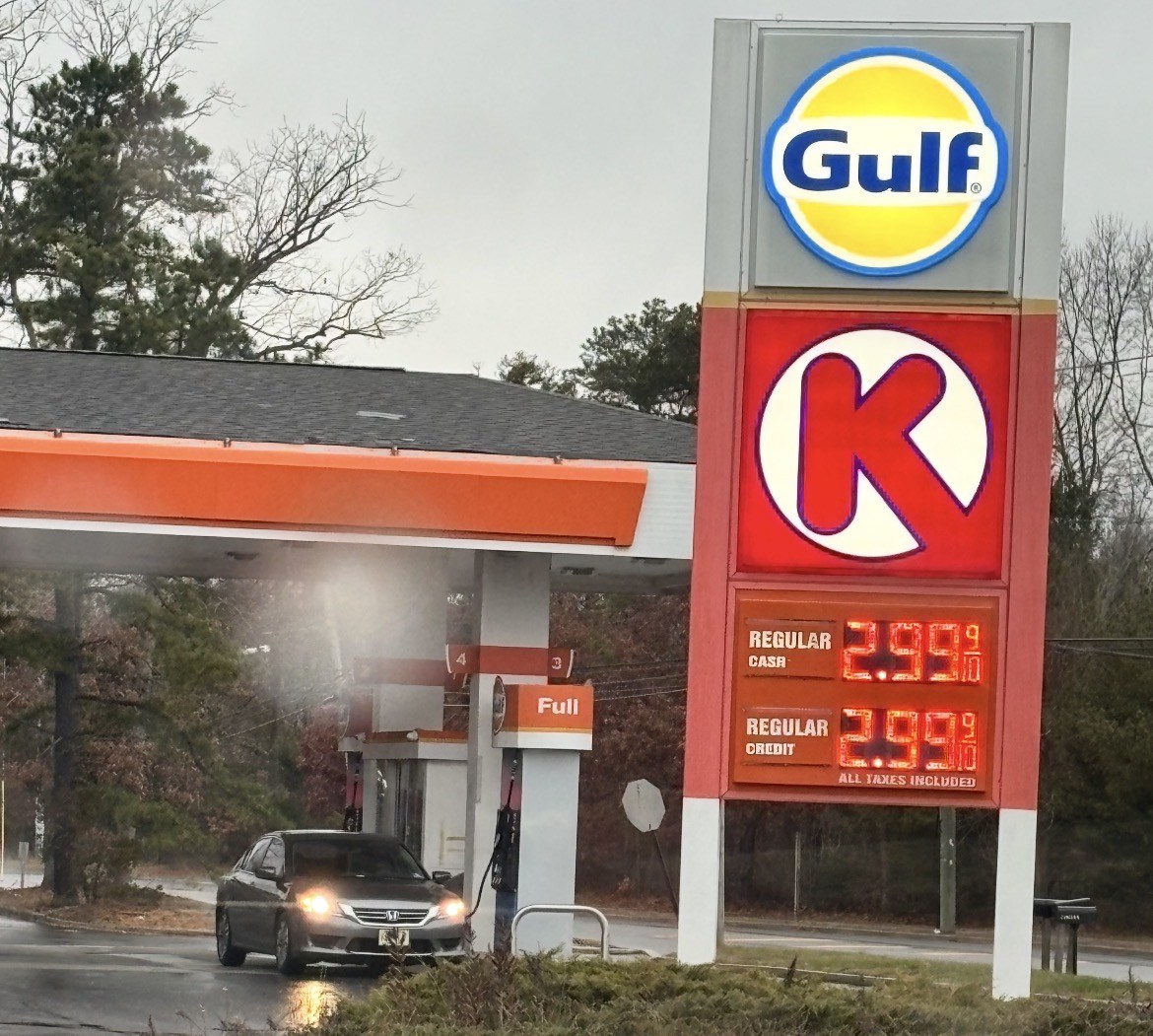
BREAKING: New Jersey is bracing for a significant gasoline tax increase, set to take effect on January 1, 2026. The tax will rise by 4.2 cents per gallon, pushing New Jersey into the ranks with the sixth highest gasoline tax in the United States, now totaling 49.1 cents per gallon. This alarming development has sparked outrage among residents who believed they were voting for temporary relief.
In a controversial move, former Governor Chris Christie and state legislators approved a referendum that many New Jerseyans didn’t realize would grant the government the power to increase the gasoline tax indefinitely. Initially touted as a one-time increase to fund necessary infrastructure projects through the New Jersey Transportation Trust Fund, the new legislation allows annual adjustments based on the Highway Fuel Cap, effectively enabling state officials to raise taxes at will.
This latest adjustment marks a shift for New Jersey, which previously had the eighth highest gasoline tax in the nation. The updated rates will also see diesel taxes rise to 56.1 cents per gallon, exacerbating the financial burden on residents and businesses alike.
Residents are expressing their frustration, feeling misled by what they thought was a straightforward vote. “It’s despicable,” commented one concerned citizen, reflecting a growing sentiment among voters who believed they were supporting a temporary measure. Instead, they inadvertently granted the state unchecked power to raise taxes whenever it sees fit.
As New Jersey prepares for this tax increase, many are left wondering how this will impact their daily lives, from commuting costs to the price of goods and services that rely on fuel. With the state government poised to capitalize on potential shortages, taxpayers fear that this is just the beginning of a cycle of rising costs.
As the clock ticks down to 2026, residents should stay informed about how this tax increase could affect their wallets. Advocates are calling for greater transparency and accountability from state officials to ensure that funds are used effectively for the intended infrastructure projects.
The New Jersey state government has not yet announced specific measures to mitigate the impact of this tax increase on low- and middle-income families, leaving citizens anxious about potential economic repercussions.
Stay tuned for further updates as this story develops.