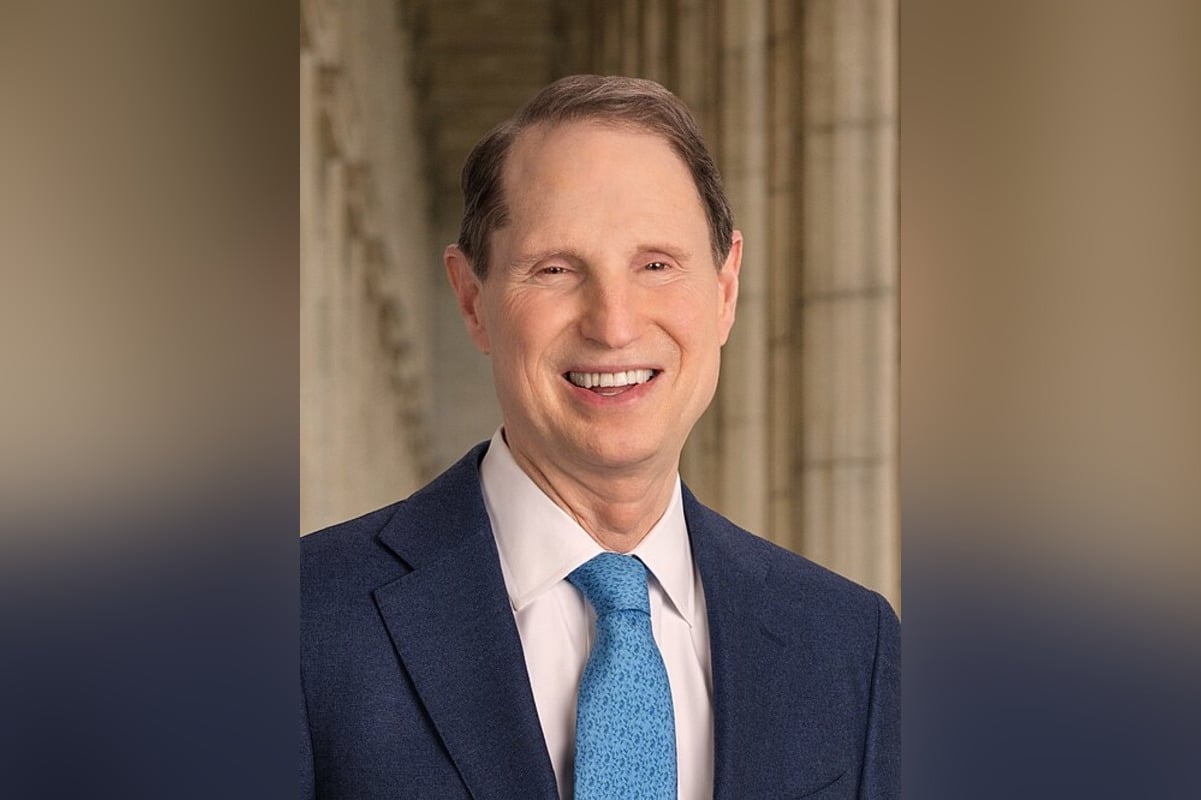
U.S. Senators Ron Wyden and Jeff Merkley have expressed serious concerns regarding significant changes to mental health care services in Malheur County, Oregon. In a letter addressed to local health care providers, they highlight the potential loss of vital support for nearly 800 recipients of the Oregon Health Plan. These changes stem from new coverage adjustments linked to substantial Medicaid cuts, which the senators attribute to the Republican-led legislative initiative termed the “Big Ugly Bill.”
The impending reductions are projected to strip approximately $4 billion in Medicaid funding from rural communities across Oregon, with considerable implications for vulnerable populations. The senators’ correspondence, made public through wyden.senate.gov, underscores their alarm at how these cuts may affect mental health services, particularly for children and families in rural areas.
Concerns Over Service Continuity
In their letter, Wyden and Merkley addressed Ann Ford, CEO of Greater Oregon Behavioral Health, Inc., and Sean Jessup, CEO of Eastern Oregon CCO, acknowledging the challenging task these organizations face. They urged them to “maximize access to a wide range of providers, ease patient transitions, and ensure continuity of care.” This appeal reflects the senators’ recognition of the significant reliance on mental health services in a county where nearly 80% of recipients are children, and nearly half identify as Hispanic or Latino.
Furthermore, the letter raises critical questions about how GOBHI will manage the transition for patients currently receiving treatment during a time when local mental health providers may drastically decrease from four to just one. The senators are not only seeking clarification on the decision-making process behind these network changes but also actionable information regarding how GOBHI plans to mitigate disruptions for residents who depend on these essential services.
Urgent Call for Action
The deadline for response from the health care organizations is set for January 9, 2026, highlighting the urgency of the situation. Wyden and Merkley reaffirmed their commitment to advocating for the ongoing needs of their constituents, emphasizing the critical nature of the Oregon Health Plan for many families facing health care challenges. “We will keep fighting to repeal these devastating cuts to health care for Malheur County and the countless other communities for which the Oregon Health Plan is a lifeline,” they stated.
As the community awaits responses from health care leaders, the senators’ letter illustrates the stakes involved—continuity of care for vulnerable populations and the overall health fabric of a community heavily reliant on these services. The outcome of this situation will determine not just the future of mental health care in Malheur County, but the well-being of those who rely on it to meet their diverse health needs.