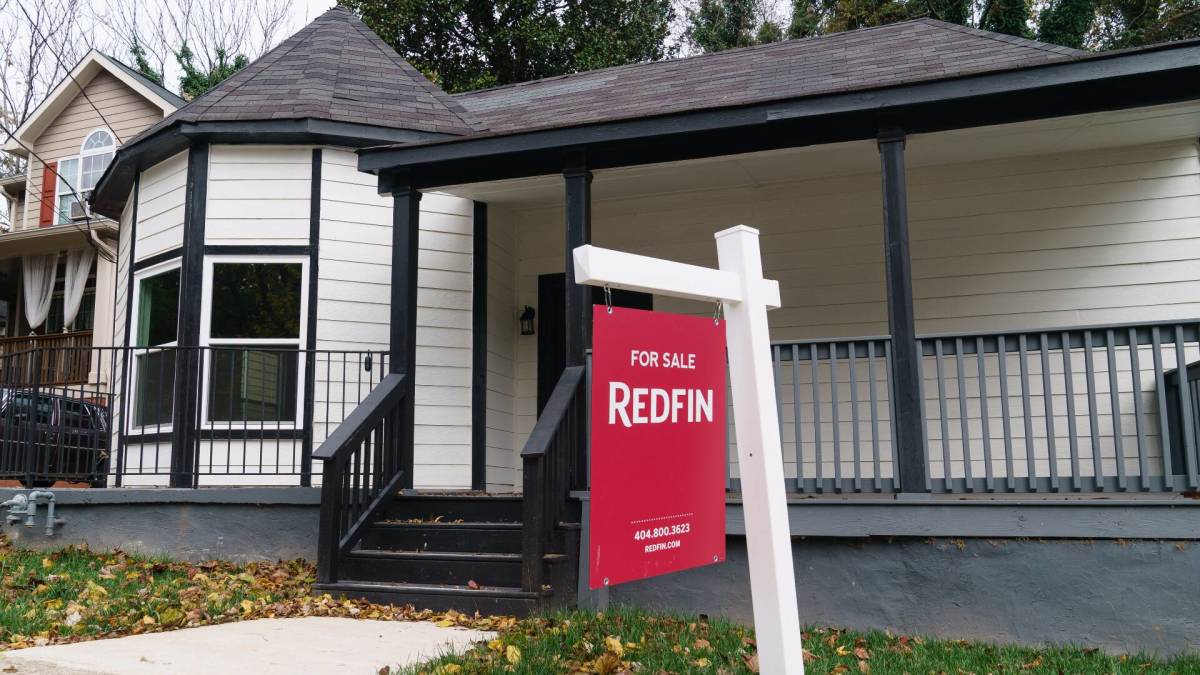
A significant shift in the U.S. housing market has emerged as Redfin reported on the state of home buying and selling trends for November 2025. The data reveals that there were approximately 37.2% more home sellers than buyers, which translates to an excess of 529,770 sellers compared to buyers. This gap represents the largest recorded since 2013, second only to figures observed during the summer months.
This trend marks an increase from 35.6% in October and a notable 17% increase compared to November 2024. The imbalance has persisted at over 35% since April, indicating a sustained buyer’s market.
Market Dynamics Favor Buyers
According to Redfin, a housing market with more than 10% additional sellers compared to buyers is classified as a buyer’s market. Conversely, a seller’s market is characterized by over 10% fewer sellers than buyers. Markets that fall within a 10% margin are deemed balanced. Since May 2024, conditions have consistently favored buyers due to the surplus of sellers.
In this scenario, buyers enjoy greater leverage, having access to a wider selection of homes. Nevertheless, this advantage is mitigated by declining affordability, which has restricted many potential buyers from entering the market.
Forecast for 2026: Modest Improvements Expected
Redfin anticipates that a slight improvement in housing affordability could enhance homebuying activity in 2026. This change may help narrow the existing gap between buyers and sellers. Asad Khan, a senior economist at Redfin, stated, “The housing market is likely to remain in buyer’s market territory for the foreseeable future, with sellers cutting prices or offering concessions to lure buyers.”
In compiling its forecast, Redfin utilized its internal data, which includes the typical timeframe from a buyer’s first home tour to closing, in conjunction with MLS (Multiple Listing Service) figures on active listings and pending sales. The count of sellers is derived solely from the total number of active MLS listings.
A recent report from Redfin indicated that the estimated number of U.S. homebuyers fell by 2.5% from October to November, reaching roughly 1.43 million. This decline marks the steepest monthly drop since April 2025 and the lowest level recorded outside of April 2020, when the market experienced significant disruptions due to the pandemic.
While the number of sellers also decreased, the decline was more gradual, slipping 1.4% month-over-month to about 1.95 million. This figure represents the lowest level observed since February 2025 but remains 6.2% higher than the previous year.
As Redfin notes, both buyers and sellers are currently stepping back from the market. “Buyers are backing off due to high housing costs and economic uncertainty,” the company explained. Sellers, many of whom are also buyers, are responding to subdued demand for their homes.
Some sellers have opted to delist their homes after experiencing prolonged periods on the market without any offers, while others are choosing not to list at all after witnessing similar properties sell for less than their asking price.
Regional Insights Highlight Market Variances
In its analysis of local housing markets, Redfin identified that Austin, Texas exhibited the most significant gap in November, with an estimated 114% more sellers than buyers. Following closely was San Antonio at 106%, then Nashville at 104%, Fort Lauderdale at 102%, and West Palm Beach at 93.6%.
The Sun Belt region has seen heightened interest since the pandemic, as buyers from higher-cost areas relocated, driving up prices and making homes less affordable for long-term residents. Builders responded to this influx by ramping up construction, contributing to the current oversupply of homes relative to demand. Texas and Florida continue to lead in new home construction.
Florida, however, also contends with the challenges of frequent natural disasters, rising insurance costs, and increased condo association fees. These factors have prompted some residents to seek relocation.
Among the 50 largest metropolitan areas in the U.S., 36 were classified as buyer’s markets, 7 as balanced, and 7 as seller’s markets. Buyer’s markets are predominantly found in the Sun Belt and on the West Coast, while balanced and seller’s markets are more prevalent in the Midwest and along the East Coast.
In November, Nassau County, New York emerged as the strongest seller’s market, with an estimated 39.1% fewer sellers than buyers. Other notable seller’s markets included Montgomery County, Pennsylvania at -34.8%, Newark, New Jersey at -31.8%, and New Brunswick, New Jersey at -30.5%.
The outlook for the U.S. housing market remains complex, with dynamics shifting as buyers and sellers navigate a landscape characterized by affordability challenges and regional disparities.