The rapid advancement of artificial intelligence (AI) is driving a significant increase in global energy demand, leading experts to explore innovative solutions. According to findings, training a single advanced AI model can consume more electricity than 120 U.S. homes use in a year. With projections indicating that energy demand from data centers could double before 2030, the urgency to find sustainable energy sources is more pressing than ever.
Lado Okhotnikov, founder of the holistic biotech platform Holiverse, highlights the systemic challenge posed by these energy demands. “The problem is becoming especially urgent now, as AI is advancing rapidly and its energy demands are growing just as fast,” he states. Okhotnikov emphasizes the need for solutions that do not compromise existing industries or the quality of life for individuals.
While many countries are transitioning to renewable energy sources such as wind, solar, and geothermal, Okhotnikov notes the inherent limitations of these methods. “Even today, we must think about where we will source that energy,” he cautions, pointing out that geography and weather constraints pose challenges for terrestrial renewable sources.
Exploring Space-Based Solar Power
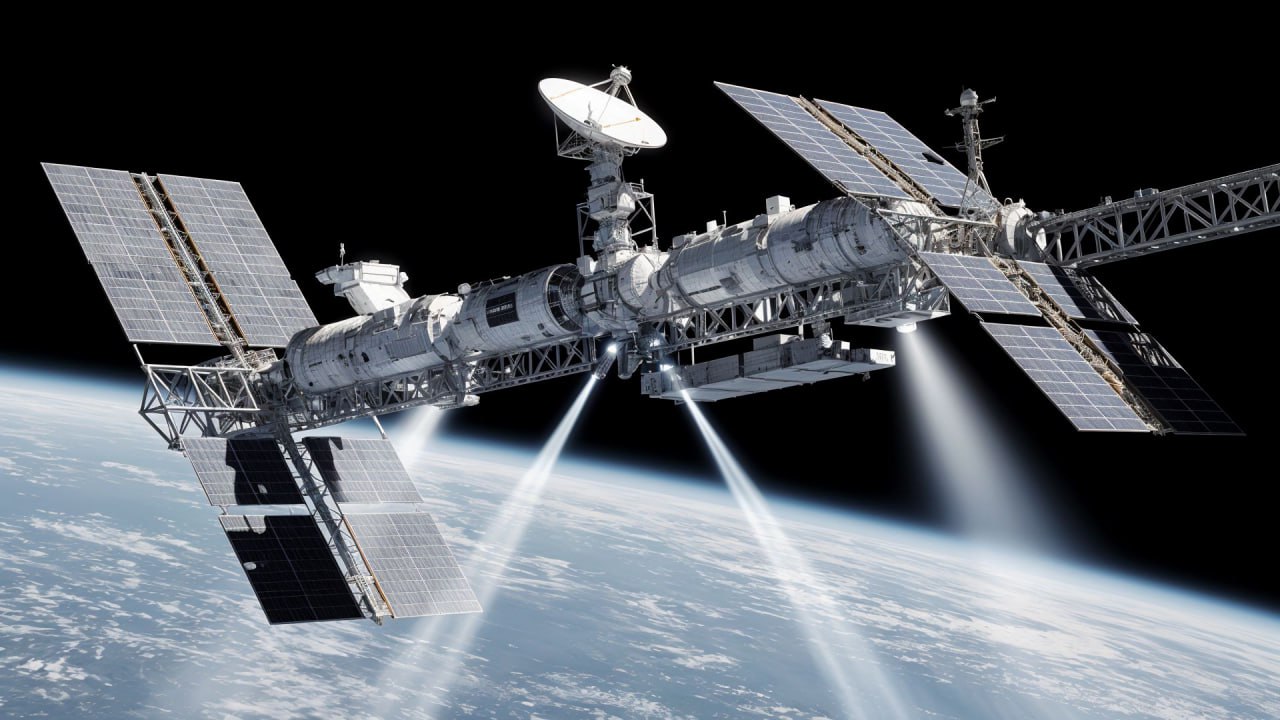
The potential solution, according to Okhotnikov and a growing number of experts, lies in Space-Based Solar Power (SBSP). This concept envisions vast solar arrays positioned in geostationary orbit, continuously exposed to unfiltered sunlight. These arrays could convert solar energy into electricity and wirelessly transmit it back to Earth using safe, low-intensity microwaves or lasers. This system promises a reliable, carbon-free power source capable of reaching any location on the planet.
Research from the European Space Agency and NASA indicates that these systems could provide the stable energy backbone that intermittent renewables currently cannot. A 2025 analysis for the European energy grid supports this notion, suggesting that the solar power available in space is vastly greater than what can be harnessed on Earth. “The solar power we can collect here on Earth is only a tiny fraction of what is available in space,” Okhotnikov explains.
Holiverse is actively investigating designs and collaborations to align future AI infrastructure with energy generated in space. Okhotnikov acknowledges the challenges ahead, including international governance, orbital construction, and transmission efficiency. However, advancements in materials science and the development of reusable rockets are making these challenges increasingly feasible.
Pioneering a New Era of AI Energy Solutions
Holiverse positions itself as a strategic leader in this transformative shift. “We are developing technologies capable of powering the next era of AI,” Okhotnikov states. He believes that collaboration among some of the brightest minds in the field will soon yield tangible advancements in space-based energy systems.
The implications of successfully implementing SBSP are profound. By breaking free from terrestrial energy limitations, the research community could unlock new possibilities in areas such as material science, personalized medicine, and climate modeling. In this future, the energy provided to AI systems will become a driving force behind innovation.
As leaders like Okhotnikov advocate for a paradigm shift, the need to harness the sun’s limitless power becomes evident. The journey to space-based energy solutions could be the key to advancing AI and addressing the energy crisis facing our planet. The move towards SBSP represents not just a technological transition, but a necessary step toward a sustainable future for artificial intelligence and beyond.