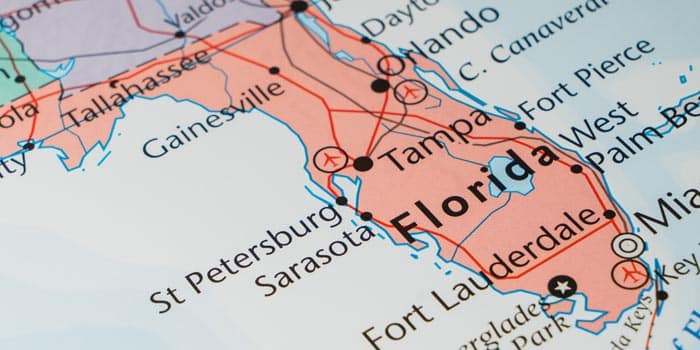
Legislators in Florida have introduced House Bill 881, reigniting a long-standing debate over the future of live horse racing in the state. This bill, filed on March 14, 2023, by Rep. Adam Anderson, a Republican from Pinellas County, aims to allow the state’s remaining racetracks to operate gambling facilities without the obligation to host live races.
Decoupling as a Strategy
The proposed legislation would primarily affect two active racetracks: Gulfstream Park in Hallandale Beach and Tampa Bay Downs. Gulfstream Park is a well-known entertainment venue featuring thoroughbred racing, casino games, dining, and shopping. Tampa Bay Downs boasts a rich history and a poker room that attracts gaming enthusiasts. Supporters of the bill argue that removing the requirement for live races would provide track owners with the flexibility needed to adapt to changing market dynamics.
Critics, however, express deep concerns that the legislation could severely impact Florida’s horse racing industry, particularly in Marion County, which supports thousands of jobs related to racing, training, and breeding. They fear that if racetracks no longer need to host live events, it could lead to a decline in the industry as a whole.
Challenges from Previous Sessions
This is not the first attempt at decoupling, as a similar bill narrowly failed in the previous legislative session. Despite this setback, advocates for decoupling have remained persistent, even filing a lawsuit seeking to declare the state’s current coupling requirement unconstitutional. This renewed push has drawn attention from various stakeholders within the horse racing community, who are worried about the implications for their livelihoods.
Governor Ron DeSantis has also weighed in on the matter. In April 2023, he met with industry representatives at the Ocala Breeders Sales Company, a significant hub for thoroughbred auctions. While he expressed opposition to the concept of decoupling, he did not explicitly commit to vetoing the bill should it reach his desk.
Concerns for the Future
David O’Farrell, general manager of Ocala Stud Farm, voiced the industry’s apprehensions, stating, “The concern is that once live racing is no longer required, it becomes much easier for tracks to walk away from it entirely.” He emphasized the need for time to negotiate a viable solution before the next legislative session.
As Florida grapples with the future of live horse racing, the outcome of House Bill 881 is poised to have significant implications for the state’s equine industry. The ongoing discussions and legislative actions will likely shape the landscape of horse racing in Florida for years to come.