As Colorado prepares to implement new legislation aimed at improving dyslexia screening and support, advocates in rural communities are taking proactive measures to address the challenges faced by students with learning disabilities. The state’s Senate Bill 200, set to be enacted in the 2026-27 school year, aims to enhance early detection and intervention for dyslexia, a condition that affects an estimated 15% to 20% of the population, according to the Rocky Mountain branch of the International Dyslexia Association.
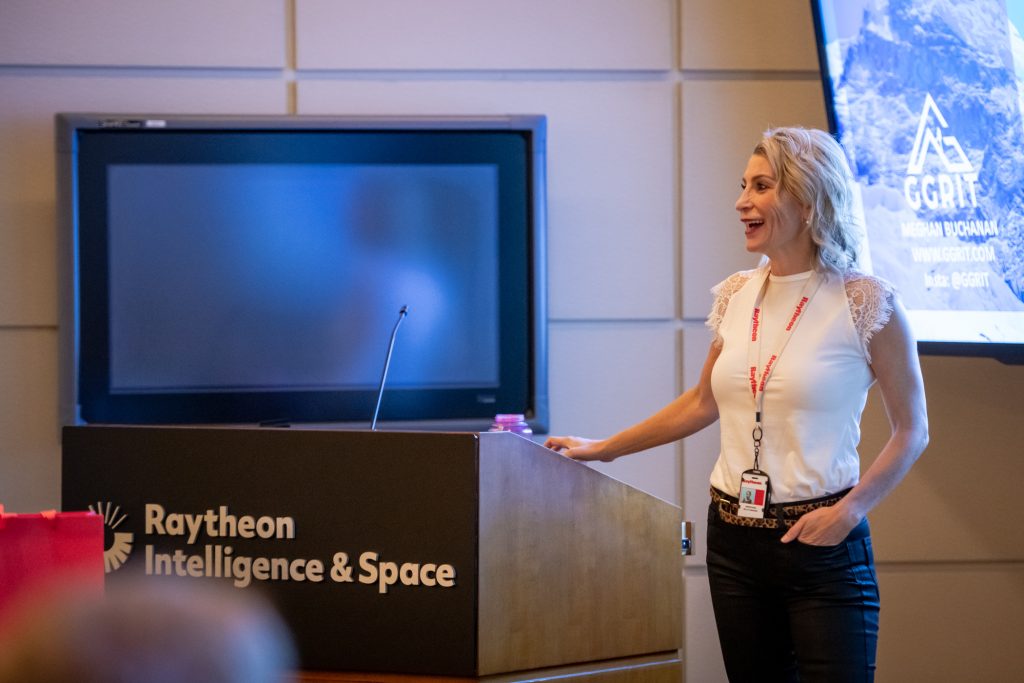
Among the advocates leading these efforts is Meghan Buchanan, an aerospace engineer and dyslexia advocate, who has dedicated her life to raising awareness about learning disabilities. Diagnosed with dyslexia and ADHD as a child, Buchanan understands the significant hurdles that can impede academic success. Her mother’s unwavering support helped her overcome initial setbacks, ultimately leading to a successful career that includes climbing the Seven Summits and engaging in advocacy work.
Buchanan’s mission has expanded to include the launch of a nonprofit organization, GGRIT (Gratitude, Growth, Resilience, Integrity, and Tenacity), which aims to provide resources for children in Colorado who require specialized dyslexia services. The nonprofit is set to begin operations in 2026, with its first priority being to raise funds for local testing and interventions.
Challenges in Rural Education
Despite increased awareness and resources for dyslexia, many rural communities in Colorado still struggle to provide adequate support. Access to quality diagnostic services often requires significant travel, and rural districts frequently lack the necessary staff to implement effective intervention strategies. Kristen Kenly, a learning specialist at Vail Mountain School, has noted that while efforts are underway to train more teachers, the existing curriculum does not always align with the science of reading and structured literacy, leaving educators ill-equipped to address the needs of students with dyslexia.
Kenly highlighted the financial burden families face when seeking diagnoses. “When I ask a family to spend somewhere between $2,000 and $6,000 to get a diagnosis, I want it to be a good experience, so I’m still sending them to the Front Range,” she explained.
The challenges are compounded for families where English is a second language. Buchanan emphasized that these barriers often result in children falling through the cracks, making it essential for communities to fill the gaps left by the education system.
Community Engagement and Advocacy
In November, Buchanan participated in a community event at Vail Mountain School to raise awareness about dyslexia. Co-organized with Katie Haas, a parent of a child with dyslexia, the event featured a panel discussion with students, parents, and educators sharing their experiences. Despite operating on a minimal budget, the event attracted around 80 attendees, many of whom wore red to symbolize the challenges faced by dyslexic students.
Buchanan recounted the emotional impact of the event, noting that several parents shared their own stories of unrecognized struggles with learning disabilities during their childhoods. “There were tears in his eyes just talking about the shame he felt as a kid, and he just didn’t want that for his children,” she recalled.
The upcoming implementation of Senate Bill 200 will require universal dyslexia screenings for all kindergarten through third-grade students in Colorado public schools. The bill aims to identify students with dyslexia early, allowing for timely intervention to close performance gaps that often widen after third grade.
Rachel Arnold, president of the Rocky Mountain branch of the International Dyslexia Association, noted the importance of early intervention. “When we are able to go in with the screeners early and target those students with the exact instruction that’s needed, then we can close the gap going into third and fourth grade,” she stated.
As the state prepares for these changes, educators are awaiting guidance from the Colorado Department of Education on implementing the new screening requirements. The department has been conducting quarterly meetings with district leaders to address the resources needed for successful implementation.
Buchanan remains hopeful that her memoir, GGRIT: Choose to Rise, scheduled for release on January 20, 2026, will further her advocacy efforts. She described writing the memoir as one of the most challenging experiences of her life, even more daunting than her numerous climbs.
As Colorado’s education system evolves to better support students with dyslexia, the collective efforts of advocates like Meghan Buchanan and community members play a crucial role in ensuring that no child is left behind. The challenges may be significant, but with increased awareness and proactive initiatives, there is hope for a brighter future for students with learning disabilities in rural Colorado.