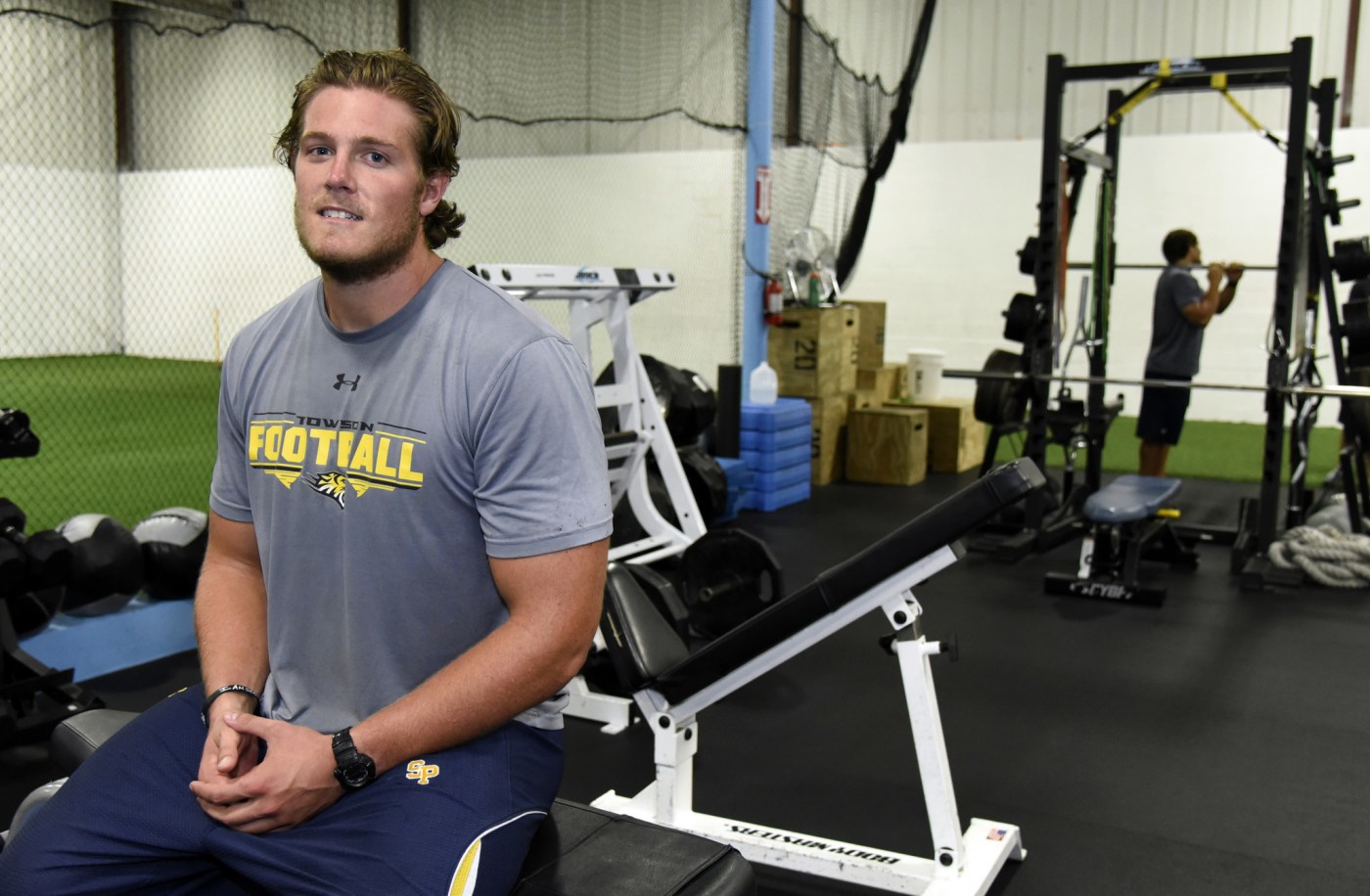
Gavin Class, a former Towson University football player, is a testament to resilience after surviving a near-fatal heatstroke during practice in August 2013. Class collapsed with a body temperature soaring to an alarming 111 degrees. Following his collapse, he faced a harrowing battle for survival as he was hospitalized, slipping into a coma while his vital organs began to fail.
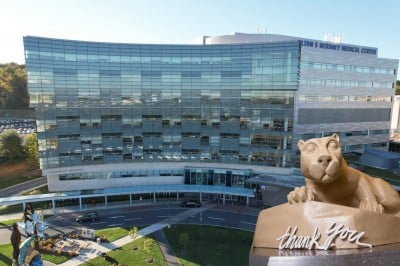
Doctors at the University of Maryland Medical Center described Class’s condition as critical, comparing it to being “zapped in a microwave oven.” The situation escalated to the point where he required a liver transplant, a six-hour procedure that ultimately saved his life. The donor, a 51-year-old man from Pittsburgh, provided the organ that allowed Class to escape death.
Despite the successful transplant, Class’s journey to recovery was fraught with complications. In the following weeks, he battled pancreatitis, a collapsed lung, pneumonia, shingles, appendicitis, and even cancer, undergoing four weeks of chemotherapy. Over the course of his recovery, he endured 16 hospital procedures before he was finally declared on the mend.
“I remember none of it,” said Class, who hails from Monkton, Maryland. “It was like I fell asleep in August and woke up in October.”
After his recovery, Class sought to return to football, aiming to rejoin the Towson team in 2015. Unfortunately, the school denied his request, and subsequent legal actions upheld that decision.
Now 33 years old, Class resides in Erie, Colorado, with his wife, Rachel, and their infant daughter, Shiloh. He has transitioned into a career as a sports performance coach, training young athletes who aspire to achieve their dreams. “I know how people chase their dreams,” Class stated. “I love being able to help them get somewhere that I couldn’t.”
Class finds particular resonance with athletes overcoming sports-related injuries. “It’s easy to relate to athletes who’ve had season-ending injuries,” he explained. “They know my story; we can connect.” At 6 feet 3 inches and 250 pounds, the physical scars of his ordeal are minimal, save for a prominent incision on his chest and a tattoo of a Bible verse, “I can do all things through Christ who strengthens me (Philippians 4:13).”
His experience has profoundly altered his outlook on life and faith. “I’m here because He had a reason for me to be alive,” Class reflected. “What it is, I’m not sure. Maybe it’s what I’m doing now—being a husband and father, and multiplying the kingdom of God on Earth through my kids.”
Class has become an advocate for safety protocols related to heatstroke in sports. He authored a book chronicling his experience and, along with his parents, founded the You Only Live Twice (YOLT) Foundation in 2017. This nonprofit organization aims to support organ transplant patients and raise awareness about heatstroke. Since its inception, YOLT has raised nearly $500,000 to further its mission.
In 2018, after the tragic death of Jordan McNair, a University of Maryland lineman who collapsed from heatstroke during practice, Class visited McNair in the University of Maryland Medical Center, where he had once fought for his own life. There, he grasped McNair’s hand and whispered, “Be strong, Jordan. Fight every day. Be positive.” Despite his encouragement, McNair died a week later.
Class’s experience continues to impact his life. He undergoes routine blood tests to monitor his health, and every year on the anniversary of his transplant, August 16, he celebrates his “liverversary” with his family. Class reflects on the anonymous donor who provided him with a second chance. “We write to each other, through a third party,” he shared. “The family said that I’m blessed with this gift, and that I should cherish it and use it for the glory of God.”
While the loss of his football career has been a source of frustration, Class emphasizes the lessons learned. “Everything happens for a reason,” he noted. “If not for [the setback], I wouldn’t have found my faith in Jesus. So I’m grateful for my heatstroke. Sounds weird, doesn’t it?”
Class’s journey serves as a powerful reminder of resilience, faith, and the ability to inspire others, turning personal tragedy into a mission of hope and support for those facing similar challenges.