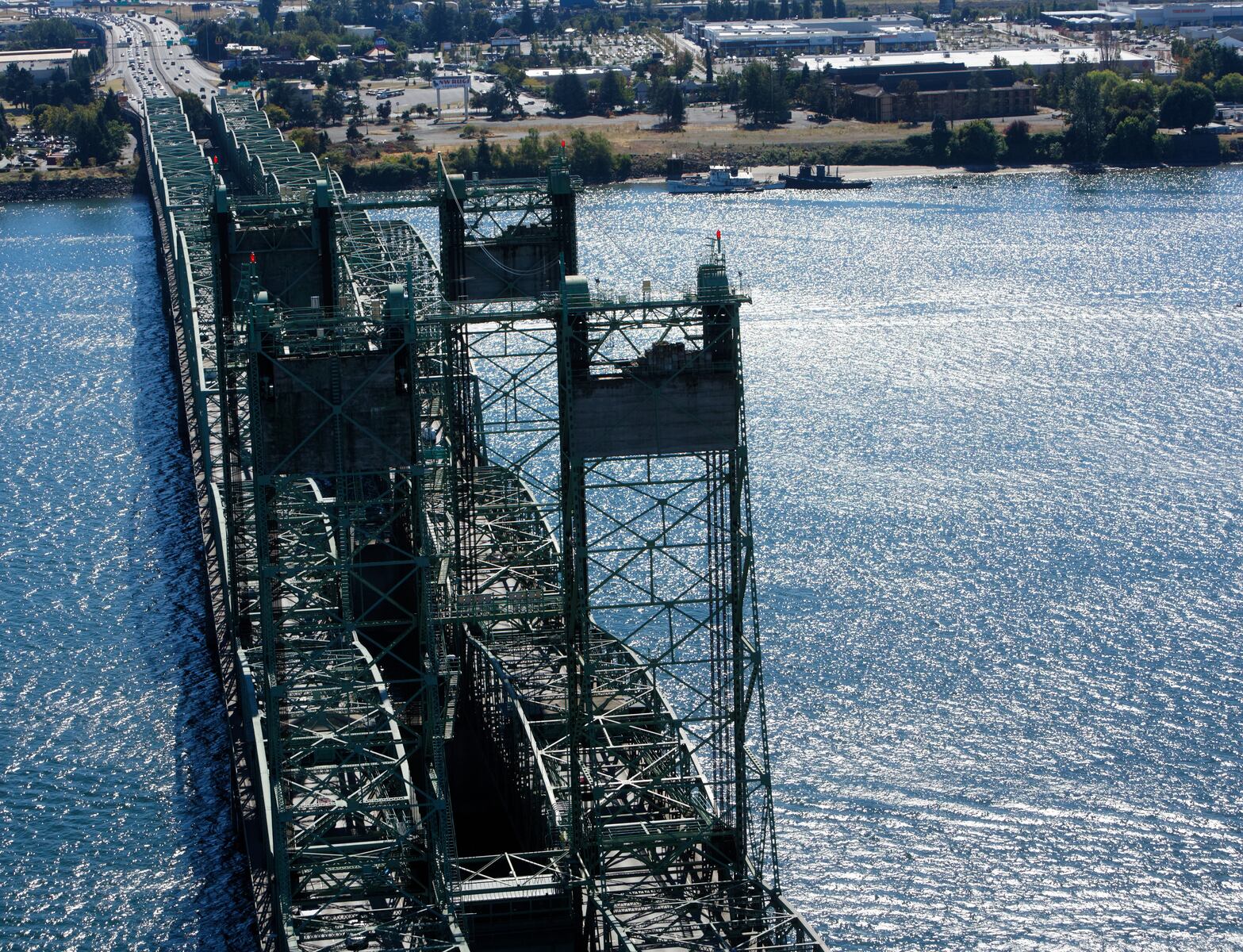
The U.S. Coast Guard is seeking public input on the proposed replacement of the Interstate 5 bridge spanning the Columbia River between Portland and Vancouver. However, the agency has specified that comments should focus exclusively on marine navigation issues.
On January 11, 2024, the Coast Guard issued a public notice announcing the start of its comment period for the long-anticipated bridge project. The agency emphasized that feedback should come primarily from “maritime transportation stakeholders,” which include vessels, businesses, and organizations that operate in the area.
The notice specifically encourages comments regarding the new bridge’s ability to accommodate current and future navigation needs. The Coast Guard is particularly interested in input from stakeholders who have vertical navigation clearance requirements exceeding 116 feet above Columbia River Datum. Out of the 54 vessels identified as potentially impacted by the new structure, only 22 have so far provided the requested information.
Targeted Approach to Public Comments
This focused comment period represents a shift from the previous public engagement process during the 2013 Columbia River Crossing initiative, which did not solicit such specific feedback. Officials involved in the current bridge project indicated that a new cost estimate would likely not be available until at least spring 2026. This delay is due to the Coast Guard’s pending decision on whether the future bridge will include a movable section to allow taller vessels to pass below.
While project officials have proposed a fixed-span bridge design as the optimal option, proceeding with this plan requires approval from the Coast Guard. Before any decisions are made, the agency will continue to gather input from a targeted segment of the public—those who would navigate underneath the new bridge.
Comments can be submitted via email to [email protected] until the cutoff date, ensuring that the voices of those directly affected by the bridge’s design and functionality are heard.
As the planning progresses, it remains crucial for stakeholders to engage in this process to influence the design and operational aspects of the new Interstate 5 bridge, which is vital for regional transportation connectivity.