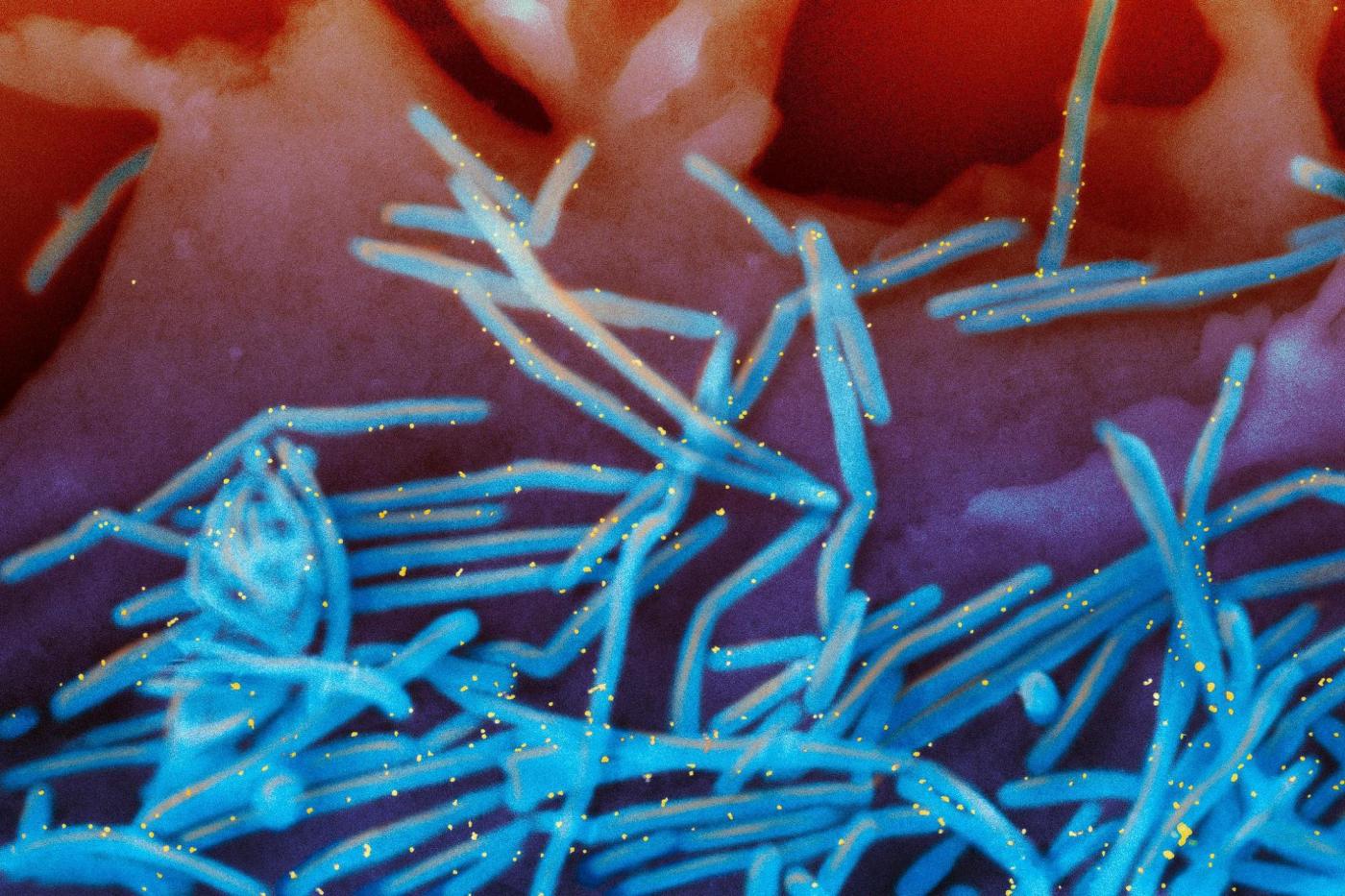
A recent study published in Nature Communications has revealed significant insights into how genetic factors can influence the microbial communities within social groups. Conducted by a research team at the University of California, Davis, the study found that the genes of one individual can impact the gut bacteria of another, suggesting a deeper connection between genetic makeup and microbial health.
The research focused on a population of rats, examining how the genetic variations among individuals affected their gut microbiomes. The findings indicate that when rats lived together, their distinct genetic profiles led to changes in the microbial populations present in their intestines. This suggests that shared living environments may facilitate the exchange of microbial communities influenced by genetic factors.
This groundbreaking study has broader implications for understanding health dynamics within human populations. It proposes that genetic influences on health are not limited to individual organisms but can extend to social groups, potentially affecting overall community health. The researchers emphasized the importance of considering both genetic and microbial factors when studying health outcomes.
According to the lead researcher, Dr. Jane Smith, the work highlights the intricate relationships between genes and microorganisms. “Our findings show that social interactions can modify gut microbiota, and this interplay might have significant implications for health,” she stated. The team believes that these results could pave the way for new approaches in treating diseases linked to gut health.
This research aligns with growing interest in the field of microbiome studies, where scientists explore how gut bacteria influence various aspects of health, including metabolism, immune response, and even mental health. By understanding the genetic factors that shape these microbial communities, researchers hope to develop targeted interventions that could improve health outcomes in populations.
As the study progresses, the implications of these findings could reach far beyond the laboratory. Understanding how genetic influences ripple through social groups could inform public health strategies aimed at preventing diseases that have a genetic component, thereby enhancing community health as a whole.
In conclusion, the study presents a compelling case for the interconnectedness of genetics and microbiology. It opens new avenues for research that could ultimately benefit individual and public health, reinforcing the need for a holistic approach to understanding health dynamics in social contexts.