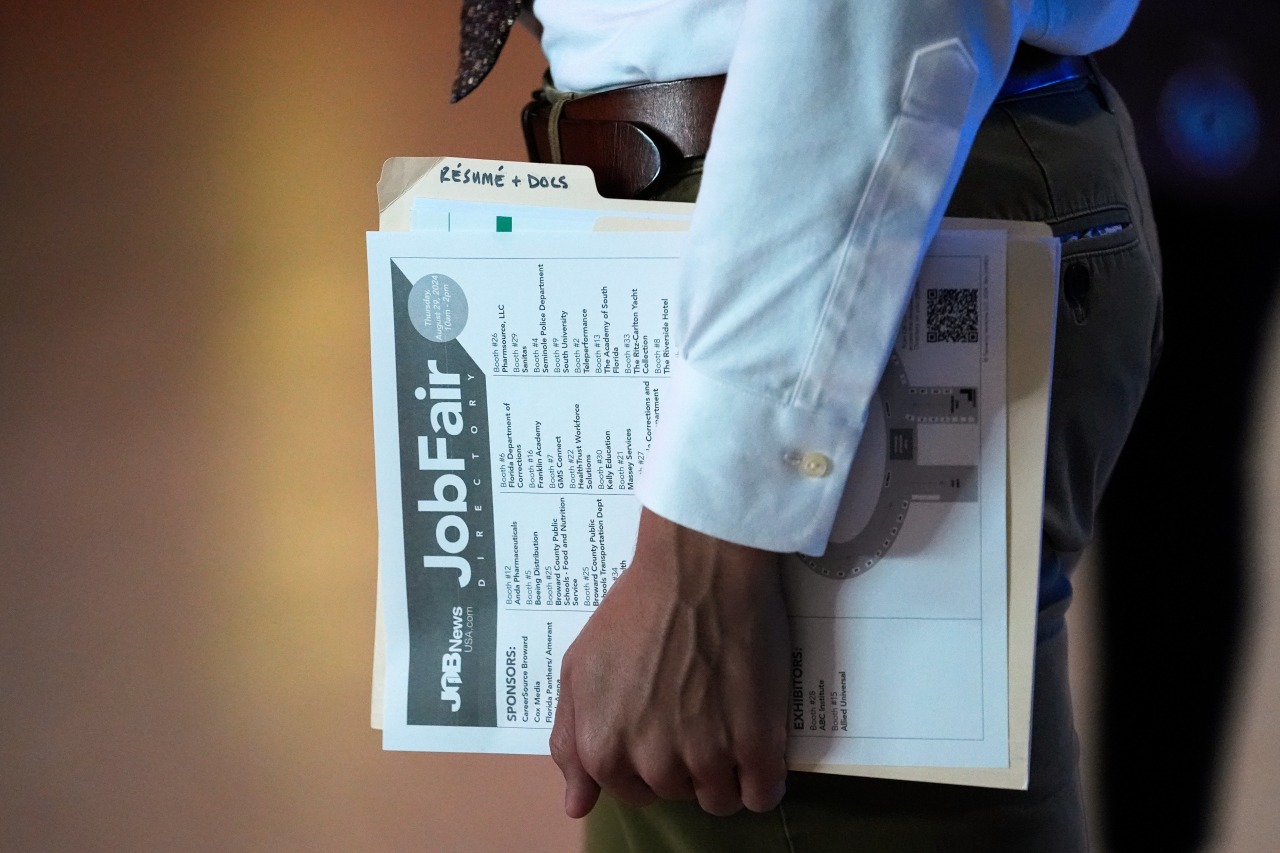
The jobless rate in the United States has seen an increase during the presidency of Donald Trump, a trend that holds historical precedence but raises concerns among economists and the public. In a recent analysis featured in the Wall Street Journal, several factors contributing to this rise were examined, including economic policies and external circumstances.
Jobless Rate Trends and Historical Context
Data indicates that the current jobless rate, while fluctuating, reflects patterns seen in previous administrations. The article notes that economic downturns often correlate with rising unemployment rates, and Trump’s tenure is no exception to this historical trend. According to the Bureau of Labor Statistics, the unemployment rate had reached 5.2% as of August 2023, marking an increase from the previous year.
In light of these figures, analysts are scrutinizing the impact of Trump’s policies on the economy. While some credit his administration with low unemployment rates earlier in his presidency, the recent uptick has sparked debate over sustainability and future projections. Historical data reveals that similar increases in joblessness have preceded economic recessions, suggesting that the current conditions may be a precursor to broader economic challenges.
Political Developments and Federal Appointments
In addition to economic concerns, political dynamics are shifting within the Trump administration. Susie Wiles, a significant figure in the political landscape, has recently made headlines as she steps into a more visible role. Her involvement could signal changes in strategy as the administration navigates both economic and electoral pressures.
Moreover, speculation surrounds potential appointments to the Federal Reserve. Analysts are closely watching for new names that might emerge as candidates to influence monetary policy amid rising interest rates. The Fed’s decisions will be crucial in addressing the economic challenges highlighted by the increasing jobless rate.
Meanwhile, Pete Hegseth has made a statement regarding the Pentagon’s decision not to release footage of a boat strike from September 2. This decision has drawn attention and criticism, as transparency in military operations remains a topic of public interest. The implications of this lack of disclosure could further complicate public perception of the administration’s handling of defense and accountability.
As the situation evolves, both economists and political analysts will continue to monitor these developments closely. The interplay of rising unemployment, strategic political appointments, and military transparency will undoubtedly shape the narrative as the United States approaches future elections. The coming months will be critical in determining how these factors influence the economy and public sentiment.