UPDATE: Republican Senator Ted Cruz has issued a stark warning, threatening to block funding essential for keeping the federal government operational after the end of January unless critical reforms to military flight regulations are enacted. This ultimatum follows a tragic incident in Washington, D.C., where a collision between an airliner and an Army helicopter resulted in the loss of 67 lives.
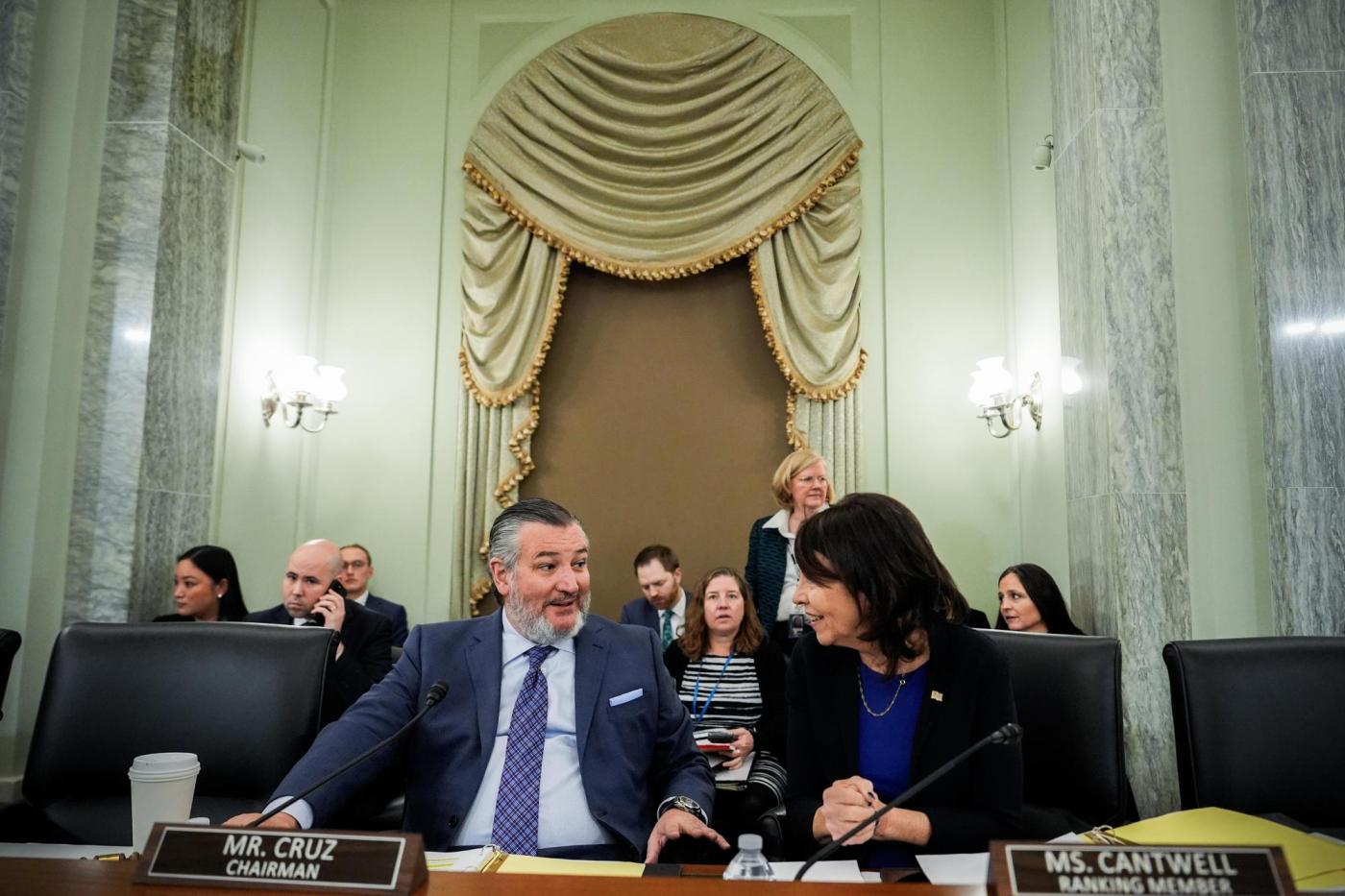
During a press conference on Monday, Cruz, alongside Democratic Senator Maria Cantwell and family members of the crash victims, called for Congress to remove provisions from a sweeping defense bill that would allow military aircraft to fly without broadcasting their precise locations. This would reverse safety measures implemented after the deadly January 29 crash, which Cruz describes as a consequence of a “special carve-out” in the legislation.
Cruz expressed strong opposition to the proposal, stating, “The special carve-out was exactly what caused the January 29th crash that claimed 67 lives.” He emphasized that allowing military helicopters to operate without utilizing the Automatic Dependent Surveillance–Broadcast (ADS-B) system, a key safety mechanism, would jeopardize air traffic safety around the nation’s capital.
The Federal Aviation Administration (FAA) mandated the use of ADS-B for all aircraft starting in March, aiming to enhance safety in crowded airspace. The ongoing safety concerns have been echoed by National Transportation Safety Board (NTSB) Chairwoman Jennifer Homendy, senators, airlines, and major transportation unions, all of whom criticized the defense bill’s provisions last week upon their revelation.
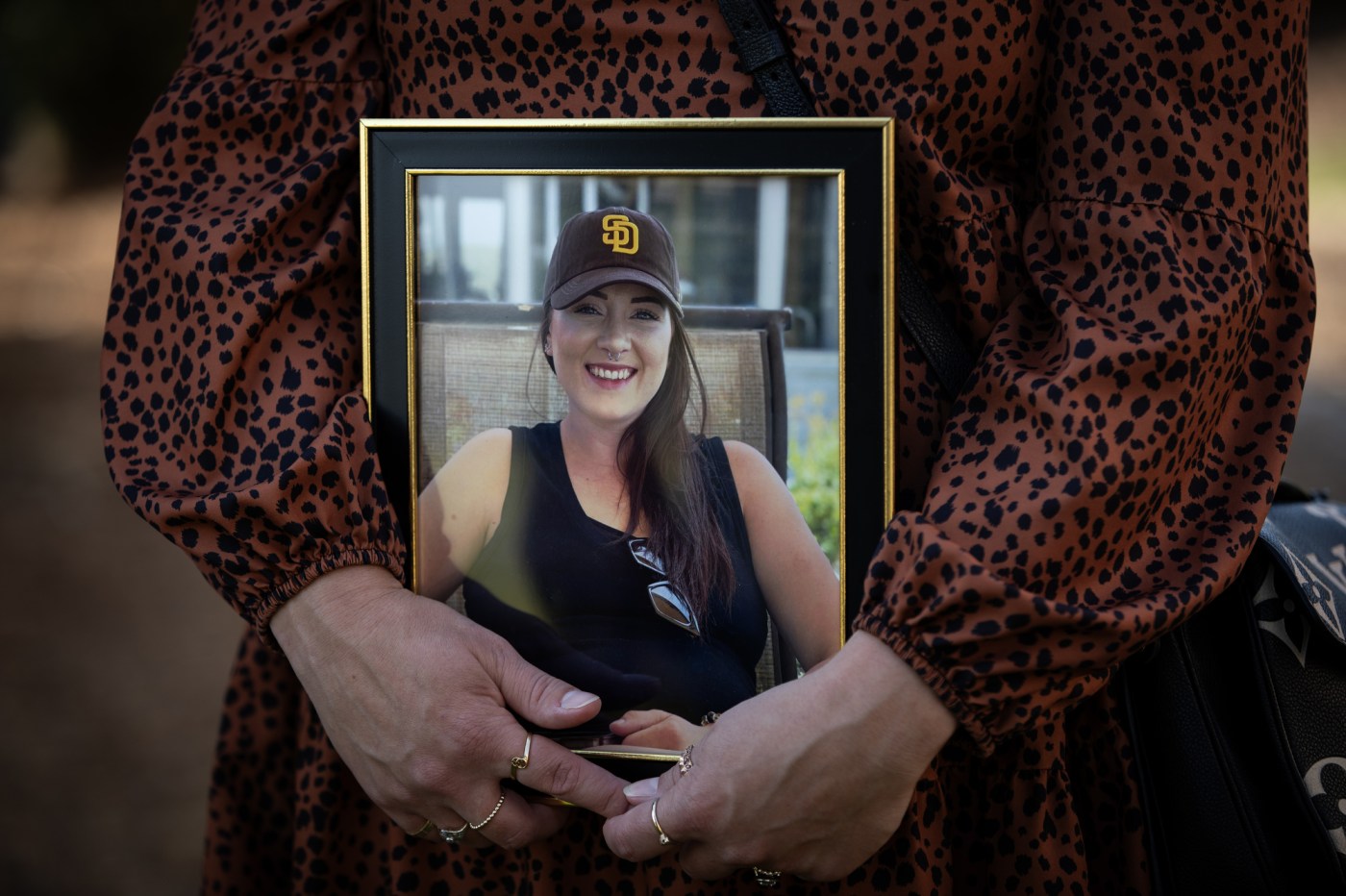
Cruz and Cantwell only discovered the controversial language in the defense bill after it was finalized by congressional leaders last week, prompting immediate objections. The families of the crash victims have voiced their fears, stating, “Our families know the consequences of systemic failures, and we cannot accept a policy change that makes our skies less safe.”
There is currently uncertainty about whether Republican leadership will allow amendments to the defense bill. Such a move would require resending the bill back to the House, potentially delaying critical raises for military personnel and other important provisions. Cruz has made it clear: if the defense bill passes without the necessary reforms, he will leverage his position to halt government funding until his proposed legislation, which mandates all aircraft to broadcast their locations, is adopted.
As the situation develops, all eyes will be on Congress to see how it responds to Cruz’s ultimatum and whether the proposed safety measures can gain the traction needed to prevent another tragedy in the skies. The NTSB’s final report on the January crash is expected to be released next year, but preliminary investigations have highlighted numerous near-misses near Ronald Reagan National Airport, underscoring the pressing need for enhanced safety protocols.
The stakes are high for legislators, military personnel, and families affected by the crash. Their collective calls for action reflect a deep-seated need for aviation safety reform that prioritizes lives over bureaucratic loopholes.