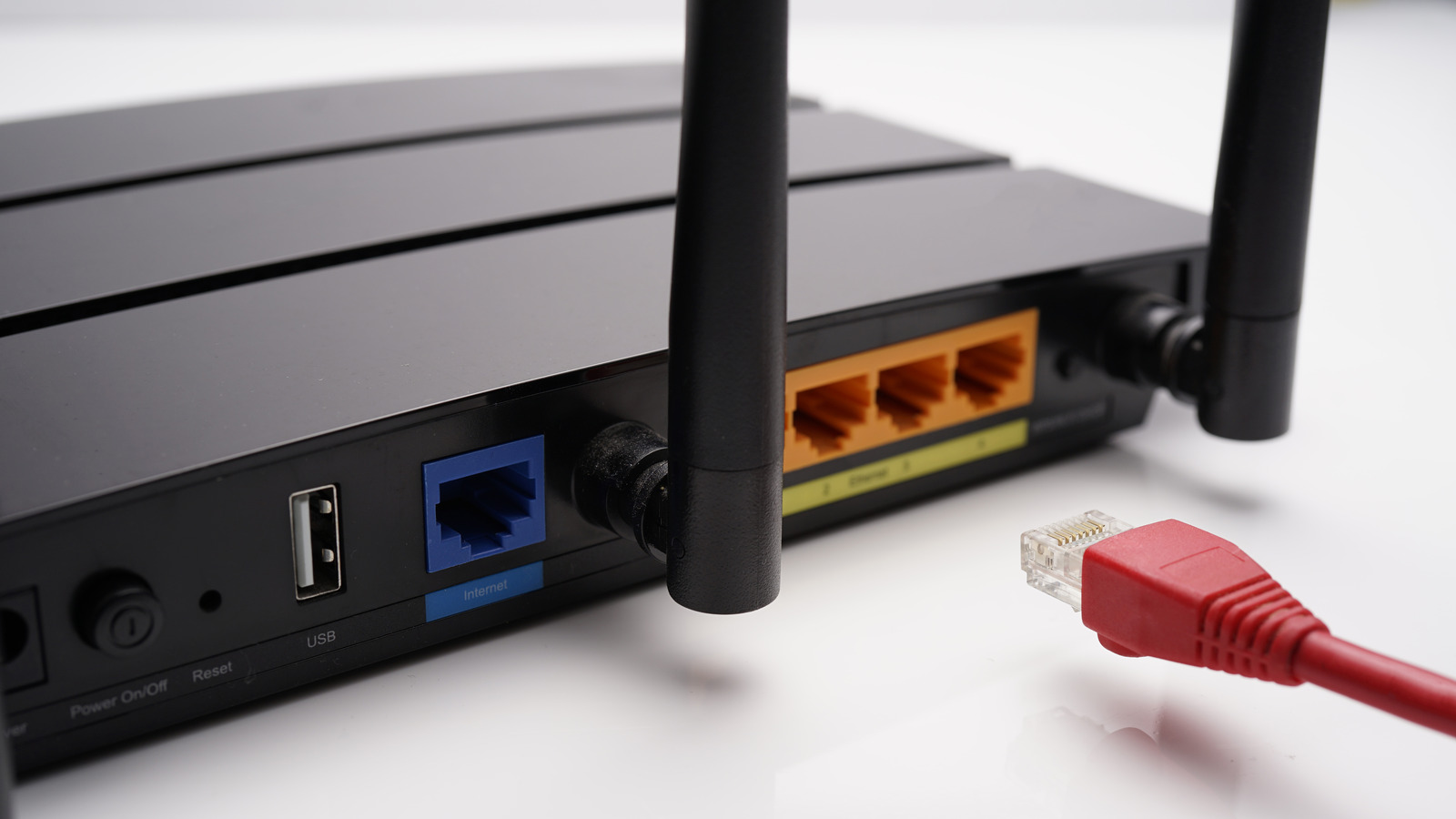
URGENT UPDATE: As of today, experts are sounding the alarm on the 2.4-GHz router, a device that many households in the US still rely on, yet is now deemed inadequate for modern connectivity needs. With 80% of U.S. households utilizing home routers, the outdated technology is struggling to keep up with the demands of today’s digital lifestyle.
The 2.4 GHz Wi-Fi band has been around since 1999, first introduced with the 802.11b standard. While it was once revolutionary, delivering speeds of up to 11 Mbps, this technology has evolved at a snail’s pace. Current 2.4 GHz routers typically max out at around 100 Mbps, a stark contrast to the capabilities of 5-GHz routers that can reach speeds of up to 1 Gbps, and the latest Wi-Fi 7 technology, which can achieve speeds of 2 Gbps.
As households add more devices, the limitations of 2.4 GHz become glaringly evident. With multiple data-hungry gadgets competing for bandwidth, users experience slow and unreliable connections. This is exacerbated by the crowded frequency spectrum; everyday electronics such as baby monitors and microwave ovens can interfere with signals, particularly in densely populated areas.
However, while these routers may be considered relics, they still offer some advantages. The 2.4 GHz bandwidth provides better coverage and can penetrate obstacles more effectively than higher-frequency bands. For this reason, experts recommend not completely dismissing this technology when upgrading your equipment. Instead, consider investing in a dual-band router, such as the TP-Link Archer GE230, which allows for compatibility with older devices while also supporting modern demands.
Even if your 2.4 GHz router is on its last legs, there are still potential uses for it. Many Internet of Things (IoT) devices, like smart thermostats and plugs, still operate effectively on this older band. Additionally, if your router supports it, it can serve as a Wi-Fi extender, potentially alleviating dead zones in your home, despite its slower speeds.
Yet, relying on a 2.4 GHz router as the main hub for your network is increasingly problematic. Activities like streaming, remote work, and online gaming require robust bandwidth that these routers simply cannot deliver. Experts advise integrating older routers as part of a comprehensive network strategy rather than depending on them solely.
In conclusion, while the 2.4 GHz router still holds some value, its days as a primary connectivity solution are numbered. Households are encouraged to reassess their networking needs and consider upgrades that can handle the modern digital landscape. The implications for connectivity are significant, affecting everything from work-from-home efficiency to the ability to enjoy uninterrupted streaming.
Stay tuned for further updates as technology continues to evolve.