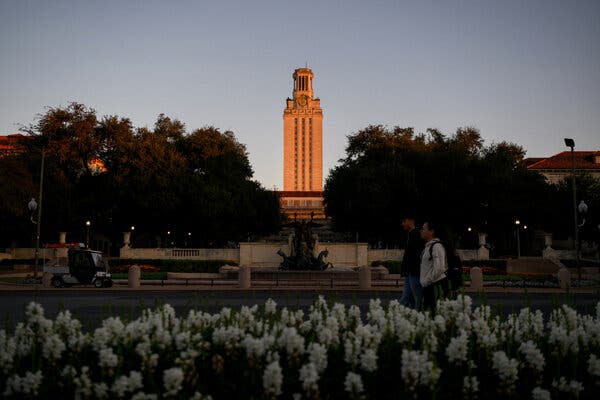
The University of Texas at Austin is undergoing significant changes as conservative lawmakers in Texas implement a series of reforms aimed at reshaping the state’s public higher education system. The university, historically known for its progressive leadership and commitment to diversity, now faces a new regime that prioritizes conservative values and restricts faculty autonomy.
The shift in leadership began with the appointment of a new president, a Republican lawyer with ties to Texas Attorney General Ken Paxton. This change has raised concerns among faculty members and students who fear that the university’s commitment to academic freedom and diversity is at risk. The new president has pledged to modify curricula and is currently overseeing an audit of all gender studies courses following the passage of a state law in May 2023, which effectively recognizes only two genders.
New legislation, including Senate Bill 37, has significantly reduced faculty control over university governance. This bill empowers appointed boards to approve academic leaders and oversee the curriculum, limiting what can be taught in classrooms. As a result, many faculty members feel their influence has been undermined, and the academic environment is shifting away from critical discourse towards a more conservative narrative.
In response to these changes, the university has established the School of Civic Leadership, aimed at attracting more conservative students. This initiative echoes broader trends across Texas, where universities are experiencing similar transformations. For instance, Texas A&M University found itself at the center of a national debate when an instructor was dismissed from a gender studies course following a student complaint. The fallout led to the resignation of the university president and the removal of several administrators.
The University of Texas at Austin has also faced budgetary challenges, laying off dozens of employees after state legislation made diversity and inclusion offices illegal at public colleges. This decision reflects a growing trend among Texas universities to align with conservative values, potentially hindering the inclusive educational environment that many students have come to expect.
As these changes unfold, the implications for students, faculty, and the broader academic community remain significant. The University of Texas, once a beacon for liberal students and activism, is now a focal point in the ongoing struggle between conservative and liberal ideologies in higher education. The future of academic freedom and diversity at the university hangs in the balance, as conservative lawmakers continue to reshape the landscape of public education in Texas.