A significant shift in seaweed populations is occurring in the Atlantic Ocean, with record-breaking blooms of yellowish-brown Sargassum seaweed emerging while a historic patch in the Caribbean is vanishing. This change is attributed to climate change, particularly rising sea temperatures and nutrient runoff.
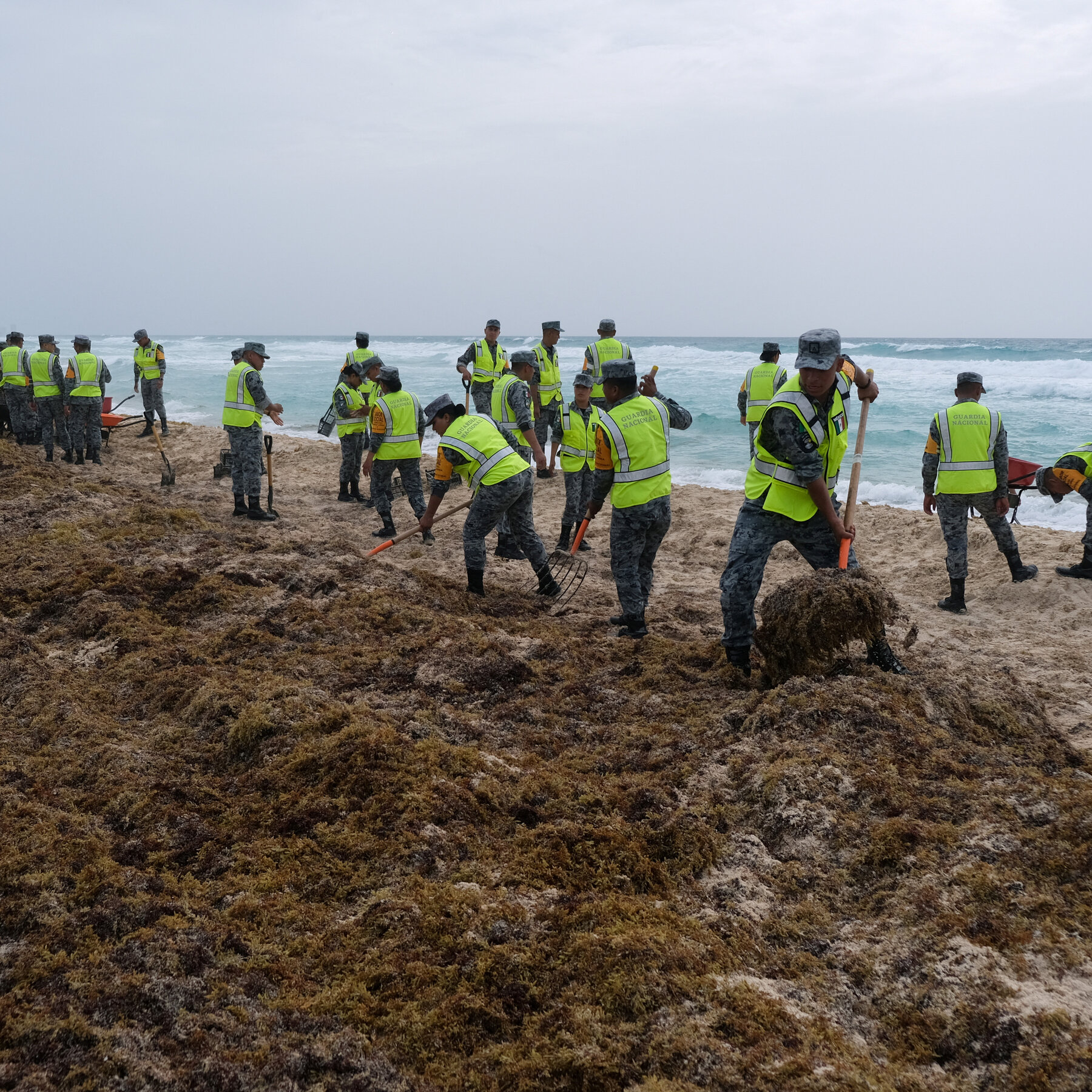
The emergence of vast Sargassum blooms has been documented along the Equator, particularly affecting beaches from West Africa to the Caribbean. According to the European Space Agency, satellite data showed that the growth of these seaweed patches has reached an unprecedented area of approximately 24,000 square kilometers as of July 2023. These blooms not only disrupt marine ecosystems but also pose a significant challenge to coastal tourism and local economies, as the accumulation of seaweed on beaches can deter visitors.
In contrast, a centuries-old patch of Sargassum in the Caribbean, known as the “Great Atlantic Sargassum Belt,” is facing decline. This patch has historically provided habitat for various marine species, including fish, turtles, and seabirds. Researchers from NASA have identified that the reduction of this patch is linked to changes in ocean currents and nutrient levels, which are being exacerbated by climate change.
The rapid growth of seaweed blooms can be attributed to nutrient pollution, primarily from agricultural runoff and sewage discharges. This excess nitrogen and phosphorus create conditions that allow Sargassum to thrive. As these blooms proliferate, they can lead to significant ecological imbalances, impacting not only local wildlife but also the fishing industries that rely on stable ecosystems.
The economic implications are profound. Coastal communities, heavily reliant on tourism, face increasing challenges as beaches become inundated with decaying seaweed. The clean-up efforts can cost millions of dollars, straining local budgets. For example, in 2022, the cost of managing Sargassum in the Caribbean was estimated at over $120 million.
As scientists continue to study these phenomena, they emphasize the need for a coordinated global response to mitigate nutrient runoff and address the underlying causes of climate change. The ongoing research aims to better understand the life cycles of Sargassum and its role in marine ecosystems, providing insight into potential management strategies.
In summary, the Atlantic’s seaweed dynamics are shifting dramatically, reflecting broader changes in our environment. With the emergence of extensive Sargassum blooms alongside the disappearance of historical patches, the implications for marine life and coastal communities are significant, demanding urgent attention from governments, scientists, and the public alike.