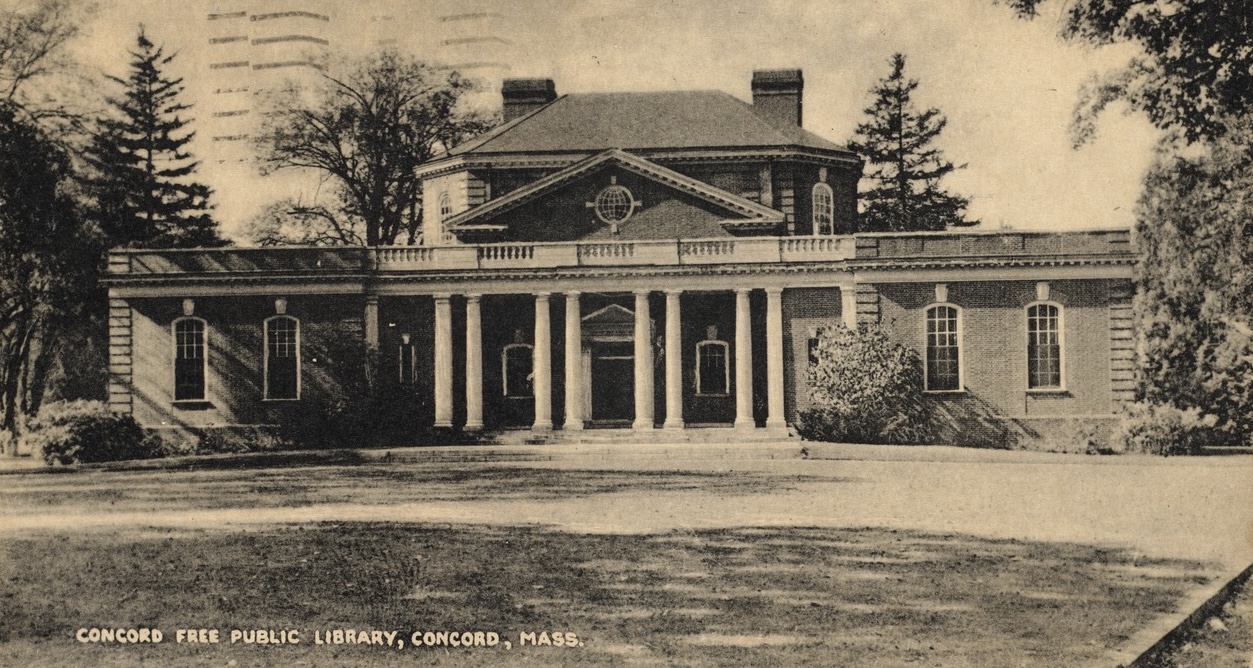
The Concord Free Public Library in Massachusetts served as a transformative space for a writer-in-residence, who spent six months reflecting on the profound impact of libraries on community life. In exchange for time and a private office, the writer engaged with patrons, contributing to a cycle of reciprocal giving that emphasized the importance of time, stories, and community connections.
As a writer-in-residence, the author utilized an office in a renovated 300-year-old building adjacent to the library’s Children’s Room. This space provided an inspiring environment for creativity, characterized by natural light and the soft sounds of children at play. Every Thursday, the library hosted a knitting club called Knit and Sip, which exemplified the collaborative spirit of the library. The intermingling of community activities with the solitary pursuit of writing highlighted the essential role libraries play in fostering connection and creativity.
During informal “office hours” held in the Common Room, the writer welcomed diverse visitors, including a retiree reflecting on personal essays, a middle school janitor crafting a picture book, and a science teacher pursuing songwriting. These encounters transformed the writer’s experience into a shared journey, where stories and laughter intertwined, creating a rich tapestry of community engagement.
The library’s ethos, which emphasizes mutual support and knowledge-sharing, resonated deeply with the writer. “What could I give back that would mean as much as what I’d been given?” became a central question. The answer emerged through interactions with visitors, reinforcing the idea that the library is a space for everyone, regardless of their life stage or background.
In early May, the author led a nature writing workshop at the library’s Fowler branch. Participants shared personal stories tied to their favorite places, emphasizing the connection between memory and landscape. Such interactions illustrated the library’s role not just as a repository of books but as a facilitator of personal narratives and communal bonds.
One notable visit came from a friend and history professor, Sean, who explored the library’s rich historical collections. They admired significant artifacts, including the handwritten manuscript of Henry David Thoreau’s essay “Walking.” This encounter emphasized the importance of preservation and storytelling in understanding cultural heritage. The library serves as a bridge connecting past and present, enabling patrons to engage with influential literary figures like Louisa May Alcott and Ralph Waldo Emerson.
As the residency progressed, the writer’s son also participated in the library’s environment, navigating his high school studies alongside fellow patrons. The library staff welcomed him, fostering a sense of belonging. This familial connection to the library underscored the institution’s broader mission: to nurture community and learning.
The writer observed the challenges facing libraries today, including funding cuts and censorship threats. Yet, the experience reinforced the vital role libraries play in advocating for intellectual freedom and community engagement. The lessons learned at the Concord Free Public Library extend beyond personal growth; they embody a commitment to sharing knowledge and fostering understanding in an increasingly complex world.
Reflecting on the residency, the writer recognized that the true gift was the opportunity to evolve as both a creator and a mentor. “The time a library lends is a little like love,” they concluded. The library’s generosity not only shaped their writing journey but also inspired a deeper commitment to community, storytelling, and the shared human experience.
By the end of the six-month term, the writer understood that giving back meant becoming a better listener and a more engaged participant in the community, carrying the lessons learned into future endeavors. The library experience, filled with stories, connections, and personal transformation, will resonate long after the residency concludes, shaping the writer’s approach to literature and life.