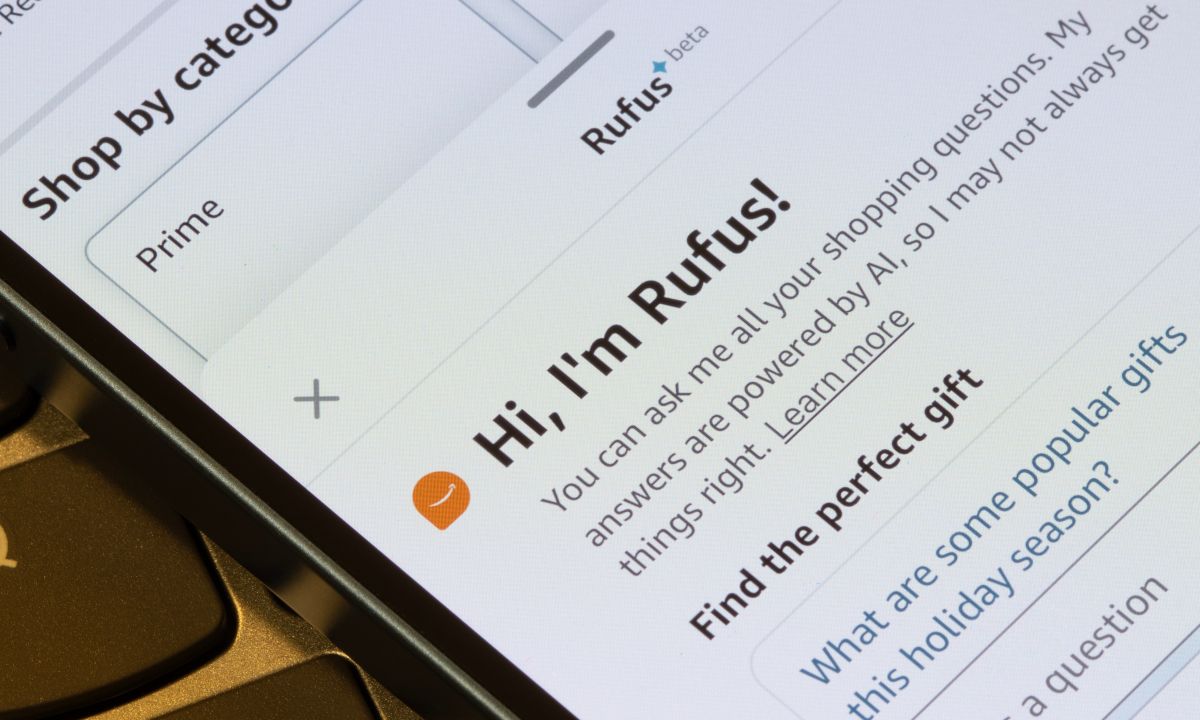
The 2024 Black Friday shopping event saw unprecedented online spending, reaching a remarkable $11.8 billion. This figure marks a 9% increase from the previous year, driven in large part by artificial intelligence (AI) shopping tools. According to data from Adobe Analytics, AI-powered traffic to U.S. retail websites surged by 805% compared to last year, coinciding with the introduction of AI shopping assistants such as Walmart’s Sparky and Amazon’s Rufus.
Suzy Davidkhanian, an analyst at eMarketer, noted that consumers are increasingly utilizing new tools that streamline their shopping experience. “Gift giving can be stressful, and large language models make the discovery process feel quicker and more guided,” she explained. As retailers strive to enhance customer engagement, these AI tools are becoming integral to navigating the holiday shopping season.
The National Retail Federation has projected that shoppers will collectively spend over $1 trillion during the months of November and December, reflecting a year-over-year increase of between 3.7% and 4.2%. While this forecast may seem optimistic, it comes amid a backdrop of cautious consumer sentiment.
Research from PYMNTS highlighted that 26% of consumers faced difficulties in paying their bills in September, the highest rate in two years. This challenging economic environment has led many shoppers to prioritize value, with a growing number turning to digital channels for their purchases. Recent quarterly earnings from Walmart indicated that consumers are increasingly seeking budget-friendly options, influencing their shopping habits.
Despite uncertainty surrounding consumer spending, leading retailers like Walmart and Amazon are adapting to the shifting landscape. PYMNTS remarked that these companies operate under the premise that success is largely determined by proactive measures rather than relying on traditional market conditions.
In related insights, PYMNTS recently consulted OpenAI’s ChatGPT to predict the holiday shopping landscape. The chatbot indicated that online platforms would continue to dominate holiday spending, aided by AI-driven search capabilities and personalized deals. Yet, it also suggested that many consumers would still visit physical stores for tasks such as trying on apparel, testing electronics, and making last-minute purchases.
As the holiday shopping season continues, the interplay between AI technology and consumer behavior will likely shape the retail landscape in the coming weeks. Retailers are poised to leverage these advancements to enhance customer experiences and drive sales, illustrating the growing synergy between technology and commerce.