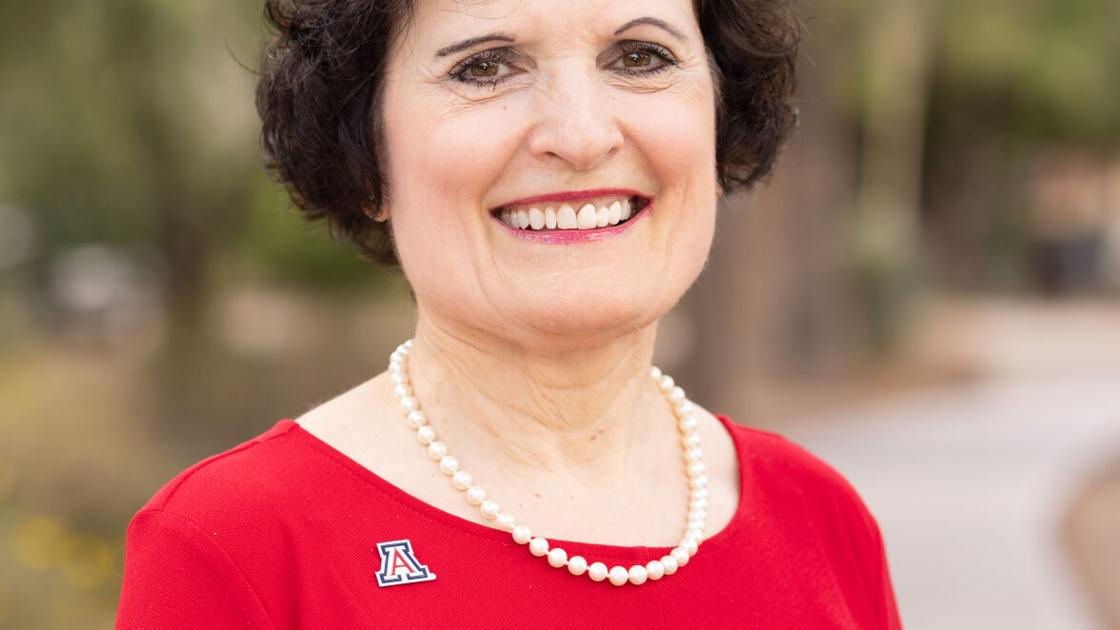
The University of Arizona (UA) has announced the formation of a committee to review its alcohol policies and prevention initiatives. This decision follows a tragic incident on October 20, 2023, when a student allegedly drove impaired and struck three fellow students, resulting in their deaths. The provost, Patricia Prelock, emphasized the need for comprehensive education and prevention strategies in the wake of this incident.
In an interview with the Arizona Daily Star, Prelock stated, “It’s not just about the policy… What is really important is what are the education and prevention activities that we are engaged in.” She noted the broader implications of alcohol use, including its association with sexual assaults and accidents. Prelock’s commitment is to enhance the university’s approach to educating students and the community about the dangers of substance use.
The incident that prompted this review involved Sophia Troetel, Josiah Santos, and Katya Castillo-Mendoza, who were fatally struck while walking in a crosswalk near the campus. Louis John Artal, a 19-year-old UA student, has been arrested and faces three counts of manslaughter and charges for leaving the scene of an accident.
Prelock has begun discussions with key university officials, including Chief Financial Officer John Arnold and Chief Safety Officer Steve Patterson, to establish the committee and explore existing programs addressing substance use among students. She aims to develop new strategies that promote safety for students who choose to engage in alcohol and drug use.
In her interview, Prelock highlighted a common misconception among students: that alcohol and drugs alleviate anxiety. She pointed out research indicating that these substances can exacerbate anxiety issues, stressing the importance of educating students about the real impacts of their choices. “I don’t think a lot of kids know that,” she remarked.
Prelock, who assumed her role in May 2023 after serving as interim president at the University of Vermont, is focused on enhancing the academic and social environment at UA. She aims to ensure that all students feel a sense of belonging and support, which is critical for their retention and success.
In addition to addressing alcohol policies, Prelock discussed navigating the current political landscape affecting higher education. The UA, like many institutions, is adapting to new federal and state priorities, particularly those instigated by the Trump administration, which includes restrictions on diversity, equity, and inclusion (DEI) initiatives.
Prelock mentioned the consolidation of six Cultural and Resource Centers into a “Student Culture and Engagement Hub” as part of a broader strategy to maintain support while adhering to regulatory changes. She assured stakeholders that programming would continue to benefit all students and emphasized the importance of shared governance in decision-making processes.
Looking forward, Prelock is also addressing enrollment challenges. Notably, UA’s first-year enrollment for fall 2025 has dropped by 19%, primarily due to declines in out-of-state and international students. Yet, the university’s net tuition revenue has remained stable, attributed to a decrease in merit-based scholarships offered to out-of-state students.
To combat declining enrollment, Prelock is working on creating clearer pathways for community college students to transition to UA, as well as expanding study-abroad opportunities. A recent commitment of $20 million from the Garcia Family Foundation, alongside $1 million from former basketball player Steve Kerr, aims to triple the number of students participating in study-abroad programs, which Prelock described as “transformational.”
As she navigates these multifaceted challenges, Prelock remains focused on maintaining UA’s academic integrity and support systems. “I want to take students who can graduate and be successful,” she stated, underscoring her commitment to a balanced approach that prioritizes both financial responsibility and student outcomes.
By addressing alcohol policy, enhancing community engagement, and adapting to a shifting educational landscape, the University of Arizona aims to foster a safer and more supportive environment for its students.