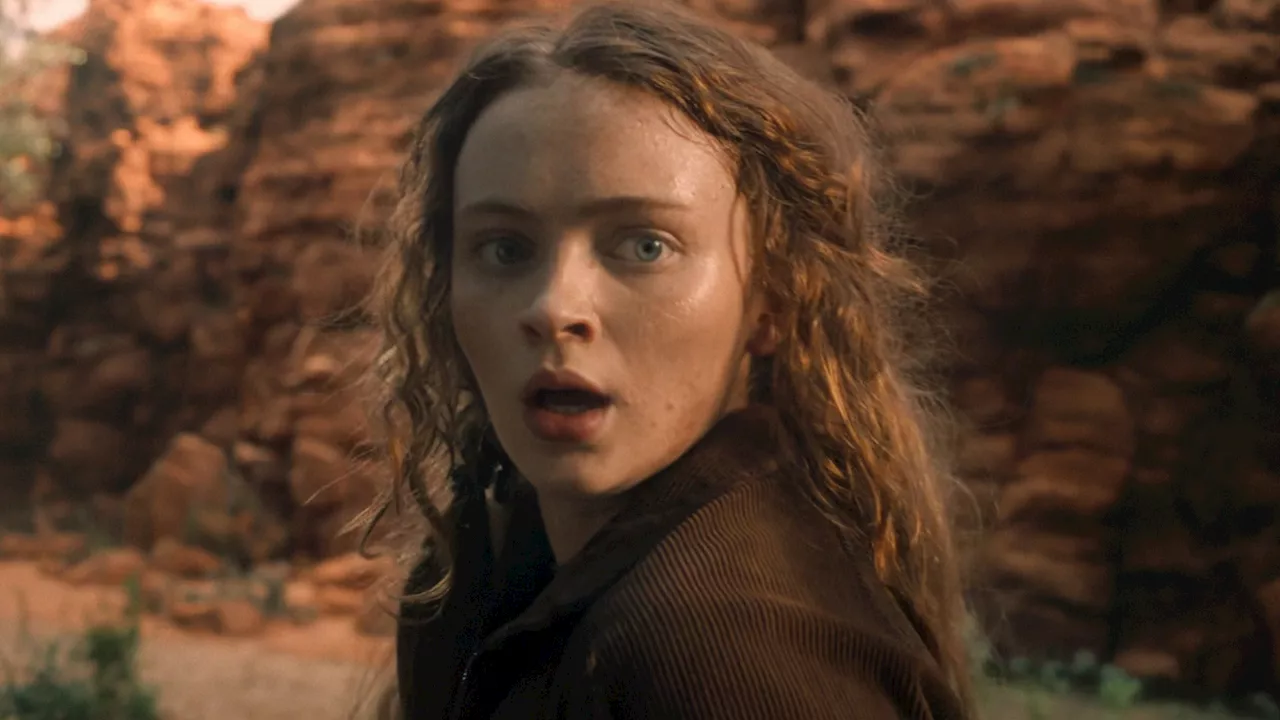
The highly anticipated fifth season of Stranger Things has premiered, captivating fans with its intricate web of Easter eggs and significant cultural references. The first four episodes not only showcase the evolution of beloved characters like Will Byers and Eleven but also weave in nods to 1980s pop culture, hinting at future plot developments. This article highlights some of the most important references that add depth to the storyline and foreshadow events to come.
The series opens with a gripping depiction of Will’s capture by the Demogorgon, an event that reverberates through the narrative. Viewers witness a chilling scene where a tube-like growth attaches to Will’s mouth, injecting him with Mind Flayer particles. This moment serves as a reminder of the ongoing threat posed by the Mind Flayer and its sinister intentions, particularly as Will experiences visions of other missing children enduring similar fates in the Upside Down.
The show excels in its clever use of visual storytelling. One striking image features strange egg-like sacs embedded in the walls of the Upside Down, drawing parallels to the Xenomorph hive from classic science fiction films. This reference not only enhances the eerie atmosphere but also hints at the parasitic nature of the Mind Flayer, suggesting dire consequences for the children caught in its grasp.
As the narrative unfolds, the protagonists embark on various “dungeon crawl” missions through the Upside Down, a term familiar to fans of role-playing games. Thus far, the heroes have undertaken 37 such missions, with the first four episodes illustrating the challenges they face. The anticipation of a two-hour dungeon crawl suggests a shift in their approach, indicating that the stakes are rising as they confront increasingly dangerous environments.
The training sequences featuring Eleven evoke strong comparisons to the X-Men’s Danger Room. Set in a junkyard that harkens back to Season 1, these montages showcase Eleven’s growth as she navigates obstacles, refining her telekinetic abilities. This explicit nod to the X-Men reinforces the idea that Eleven may soon align with other superhuman characters.
In an emotionally resonant moment, Will comforts his sister, Holly, by telling her stories of “Holly the Heroic,” a character he describes as a Cleric. This choice of character is significant, as Clerics serve as intermediaries between realms and possess the power to raise the dead, hinting at Holly’s potential kidnapping and her connection to the near-dead Max. Will’s assertion that Holly has the ability to create interdimensional portals further encapsulates the series’ themes of connection and power.
The ongoing narrative also references a recent 7.4 magnitude earthquake that struck Hawkins, creating chaos in the town. A fictional message from the Hawkins Police Department details the lockdown and urges residents to assist in locating Jane Hopper, underscoring the serious implications of the seismic event and its impact on the community.
Pop culture references continue to enrich the dialogue, as Robin humorously mentions a “flux capacitor,” a clever nod to the iconic film Back to the Future. This moment not only showcases Robin’s cultural savvy but also signals Joyce’s disinterest in science fiction. As the characters navigate their tumultuous reality, the inclusion of such references adds levity amidst the tension.
Will’s discovery of a mandala on the ground serves as a symbolic representation of his character arc. In various spiritual traditions, mandalas are tools for meditation and self-discovery, mirroring Will’s journey as he embraces his identity and powers. The spiral design within the mandala illustrates a path of transformation, echoing the ongoing themes of evolution and acceptance throughout Season 5.
The season draws inspiration from the Inferno event from 1989, which involved demons kidnapping children. This parallel raises questions about the motivations behind the quest for 12 children in the current plotline. While the exact reasons remain unclear, the connection to the past suggests that the stakes are high, and the safety of innocent lives hangs in the balance.
Intriguingly, Holly names Vecna’s mindscape “Camazotz,” a term known from the literature as a “Dark Planet.” This reference implies control by an external evil entity, potentially hinting at the Mind Flayer’s influence over Vecna. The show’s creators cleverly intertwine these threads, suggesting a layered narrative where the Mind Flayer may be the true antagonist, manipulating Vecna’s actions from the shadows.
As the drama unfolds, viewers witness Max hiding in a cave, a setting that evokes memories of Vecna’s past and his first encounter with the Mind Flayer. This reference to his backstory adds complexity to Vecna’s character, challenging previous assumptions about his role in the storyline.
With its rich array of Easter eggs and references, the first four episodes of Season 5 of Stranger Things invite audiences to engage deeply with the narrative. The creators have crafted a filmic experience that honors the past while paving the way for thrilling developments in the future. Fans are left eager for the next chapters, wondering how these layers will continue to unfold as the season progresses.